A Practical Guide to Finding Reliable Electronics Repair Services
How to Find Reliable Electronics Repair
Start with a diagnosis, not a repair quote. Record the device or board model, the fault, and when it began. Then ask the repair provider for a written estimate, parts availability, turnaround time, and warranty terms before approving work. If the device stores data, back it up first. For a utility or mining operation, weigh the repair cost against replacement cost and the downtime each option could cause.
I’m Eng. Cephas Kalembo, founder and Chief Technology Officer of HERO Control Systems Ltd. My work in PCB design, embedded systems, and industrial electronics repair informs this guide to choosing a repair service in Zambia.
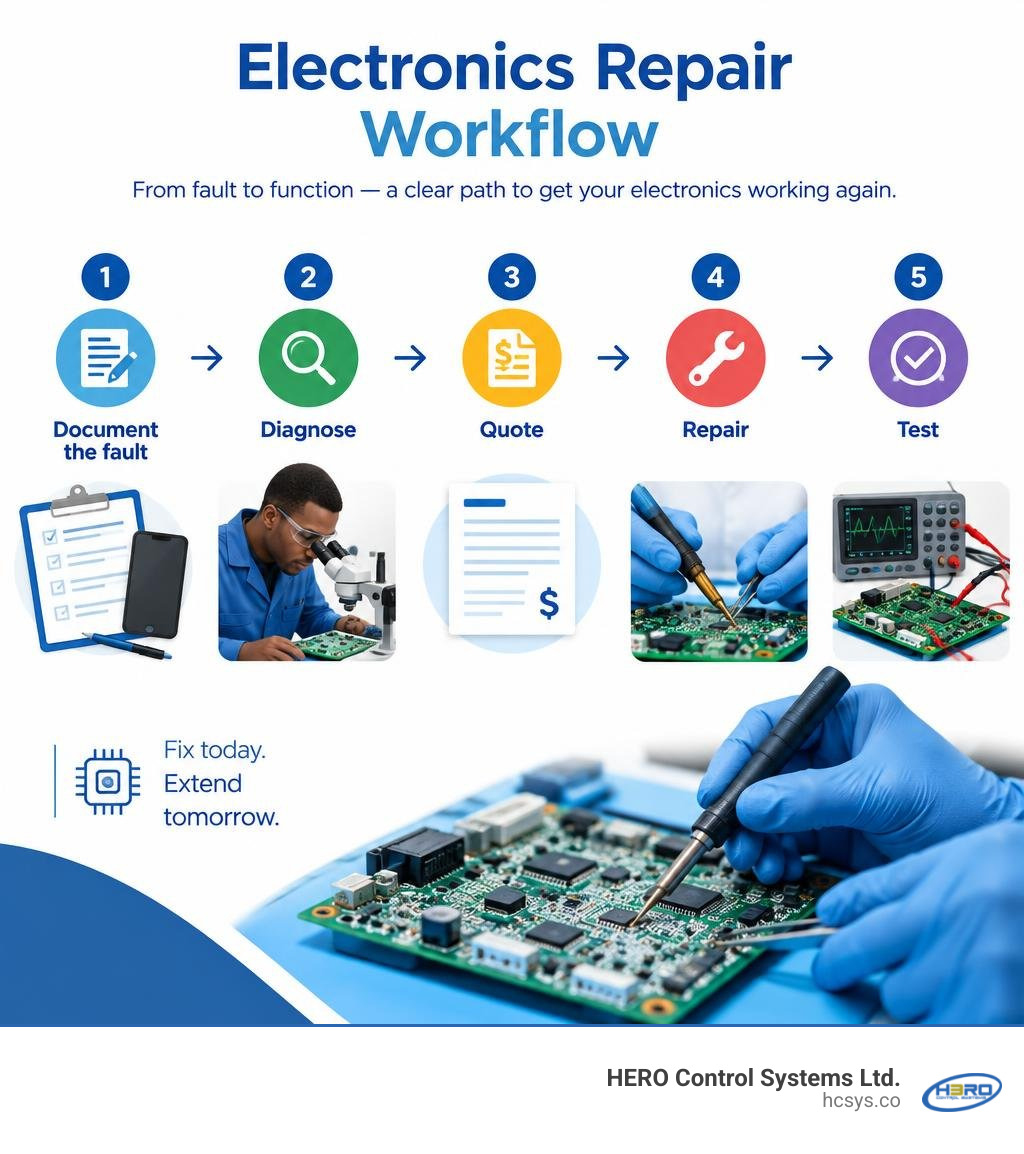
Whether you are managing industrial machinery, municipal infrastructure, or everyday commercial hardware, modern devices are intricate assemblies of sensitive silicon, microcontrollers, and multi-layered printed circuit boards (PCBs). When equipment fails unexpectedly, the instinct for many organizations is to order an expensive replacement. However, professional diagnostics and precision micro-soldering can often restore hardware to original factory specifications at a fraction of the cost, extending asset life while reducing electronic waste.
Scope of Electronics Repair: Devices and Common Faults
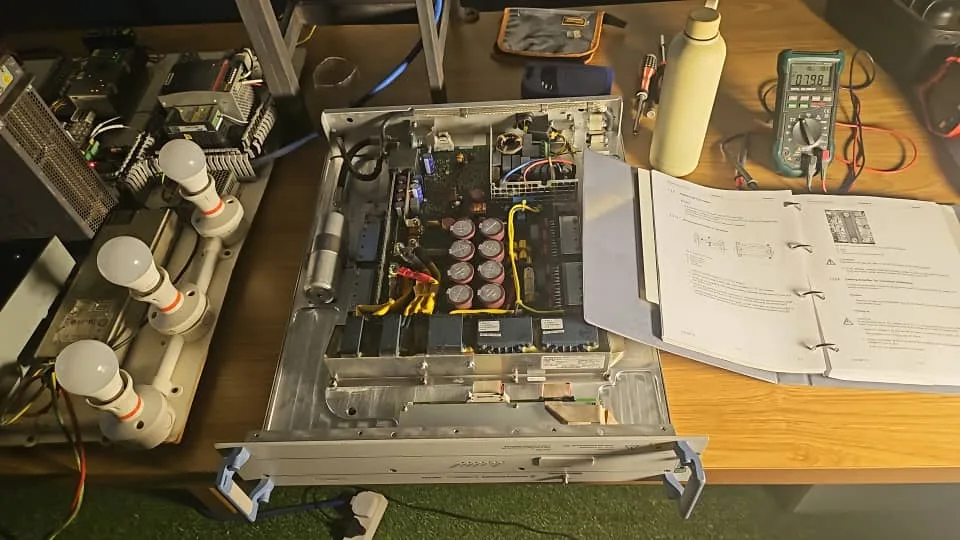
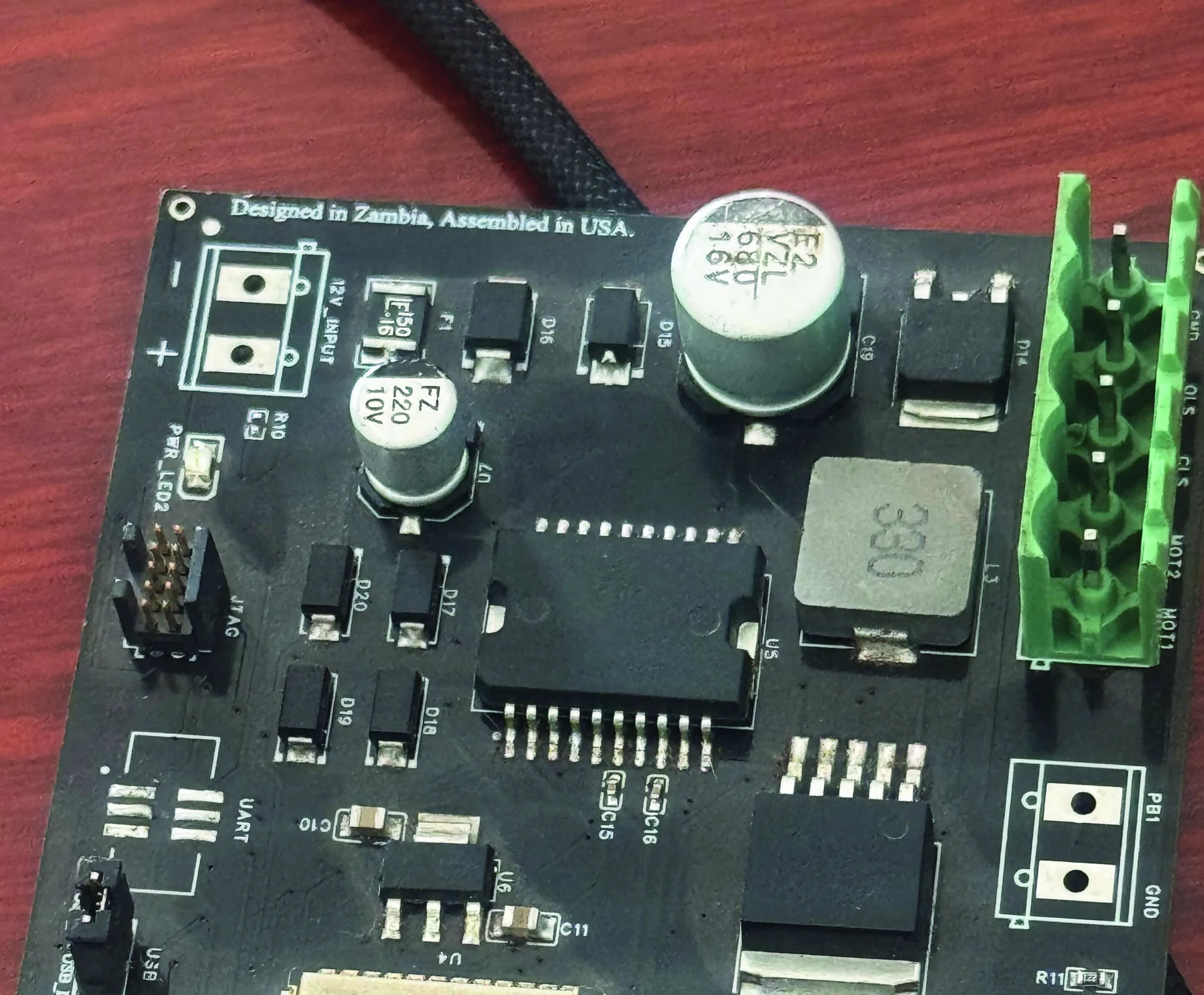
Understanding what can actually be fixed begins with looking at the anatomy of modern hardware. Almost any device powered by electricity relies on a PCB that distributes power, processes signals, and manages logical inputs. When a circuit fails, the root cause is rarely the entire board; more often, it is a single degraded component, a broken solder joint, or an open trace along a power rail.
By focusing on board-level troubleshooting, technicians can isolate faults down to individual capacitors, diodes, power management integrated circuits (PMICs), or input ports. This targeted methodology plays an essential role in advancing circular economy through repair, keeping functional assemblies out of landfills while eliminating long supply chain delays.
Consumer Devices, Audio Systems, and Smart Tech
Everyday electronics experience constant thermal stress and mechanical strain. In consumer audio equipment and vintage sound gear, aging electrolytic capacitors are the most frequent culprits behind muffled audio, persistent hums, or complete loss of power. Over decades of operation, the liquid electrolyte inside these components dries out or leaks onto the board, corroding adjacent copper traces and destabilizing voltage rails. A comprehensive "recap" replaces these worn parts with modern, high-temperature equivalents to restore clean audio performance.
Similarly, large displays and smart home appliances often suffer from failed power supply boards or burned-out backlight drivers rather than total panel destruction. Power surges frequently take out protection diodes or sacrificial input fuses on appliance boards. Instead of discarding an entire unit when error codes appear, troubleshooting appliance control boards allows skilled technicians to reflow fractured solder or swap out damaged relays to return the system to service quickly.
Mobile, Tablet, and Game Console Electronics Repair
Mobile phones, tablets, and gaming systems face high physical wear. Broken screens and dead batteries are common, but internal board faults present deeper challenges. Mechanical stress on HDMI ports and USB-C receptacles frequently pulls delicate copper pads right off the circuit board, breaking circuit continuity.
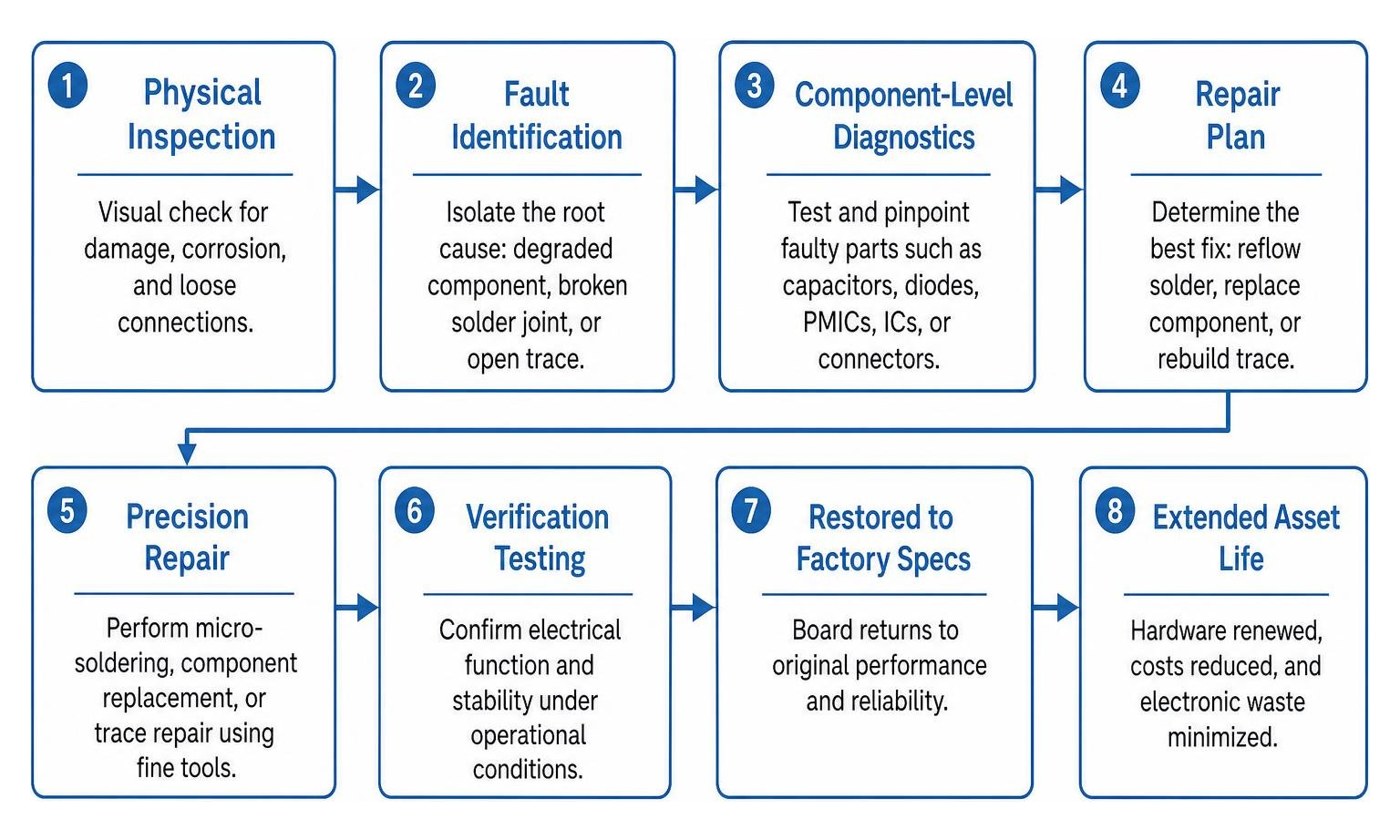
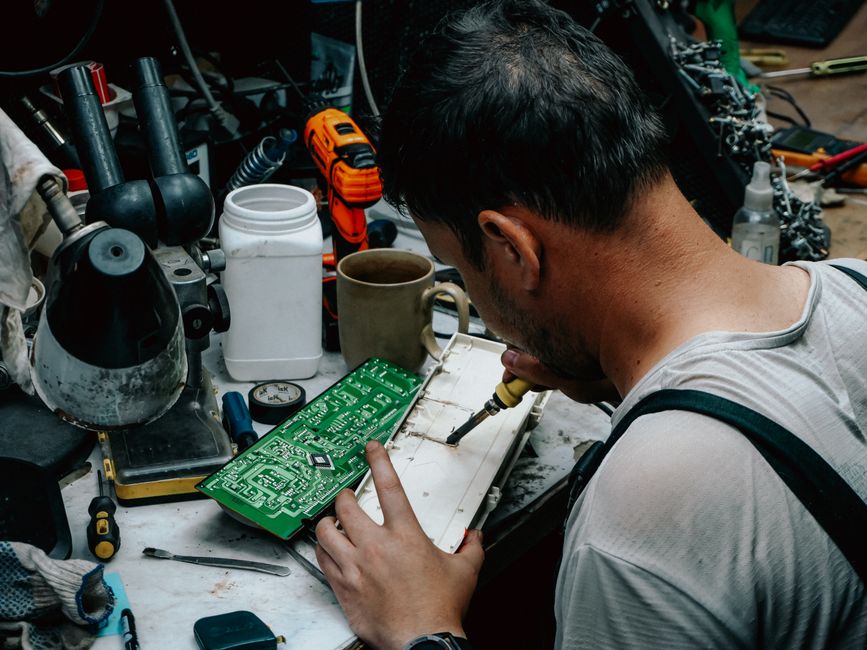
Restoring these connections requires steady hands and micro-soldering under high optical magnification. Technicians use fine enameled jumper wires to rebuild severed pathways, applying proven techniques for fixing pad lift and PCB trace damage. Component-level diagnostics also resolve complex charging faults, such as burned charge-controller ICs or shorted bypass capacitors, bringing seemingly dead hardware back to life.
Evaluating Repair Costs, Turnaround Times, and Feasibility
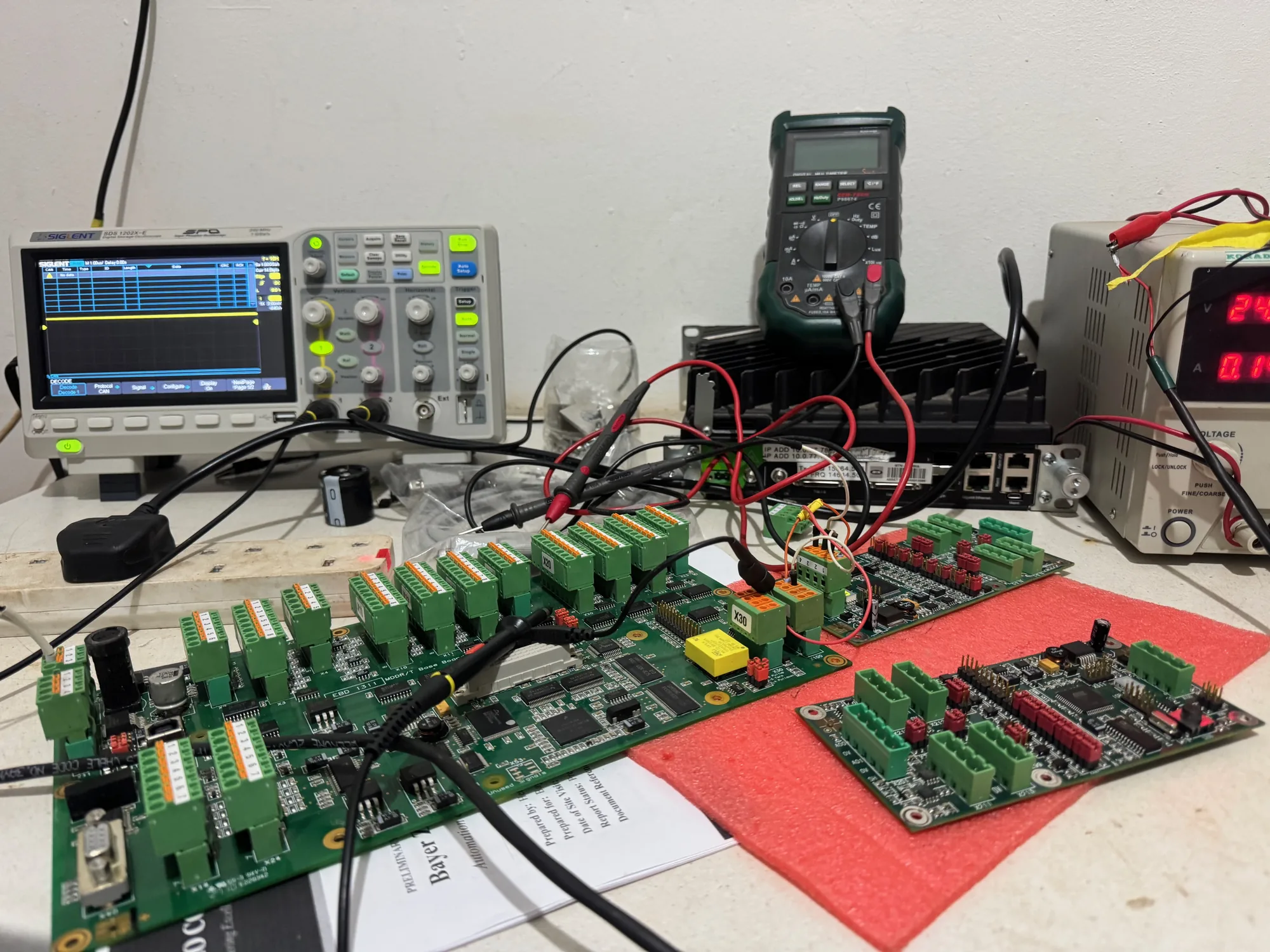
Before sending hardware to a workshop, it is essential to evaluate the financial and operational logic of the fix. Transparent electronics repair operations establish clear pricing policies, upfront diagnostic costs, and realistic repair timelines.
Repair Versus Replacement: The 50 Percent Rule
A standard benchmark across both consumer and commercial equipment is the 50 Percent Rule: if the complete cost of a professional component repair is less than half the price of purchasing a brand-new replacement unit, repairing the device is almost always the smarter financial choice.
For legacy industrial and municipal systems, the math is even more compelling. When equipment has reached its manufacturer end-of-life date, new OEM units are rarely available on the market. In these instances, sourcing replacement circuit boards or repairing the existing assembly prevents massive capital expenditures on complete infrastructure overhauls.
| Factor | Component-Level Repair | Full Device Replacement |
|---|---|---|
| Typical Cost | Often less than 50% of original unit cost | 100% purchase price plus setup costs |
| Turnaround | 1 to 10 business days (standard components) | Weeks to months for specialized/imported hardware |
| Data & Configuration | Preserves existing calibration and settings | Requires complete reconfiguration and data migration |
| Environmental Impact | Minimal e-waste generated; extends product lifecycle | Generates substantial scrap and discarded hardware |
| Legacy Compatibility | Maintains fit and function with existing machinery | May require retrofitting or auxiliary hardware changes |
Diagnostic Fees, Turnaround Estimates, and Unrepairable Devices
A dependable repair provider establishes clear turnaround expectations based on device complexity and parts availability:
- Simple Service (Screens, Batteries, External Ports): Often completed within 1 to 24 hours if components are locally stocked.
- Standard Component-Level PCB Diagnostics: Typically requires 5 to 10 business days after arrival to thoroughly trace faults, source matching ICs, and execute bench testing.
- Complex Industrial Overhauls: Turnaround depends heavily on global parts availability and extensive post-repair thermal testing.
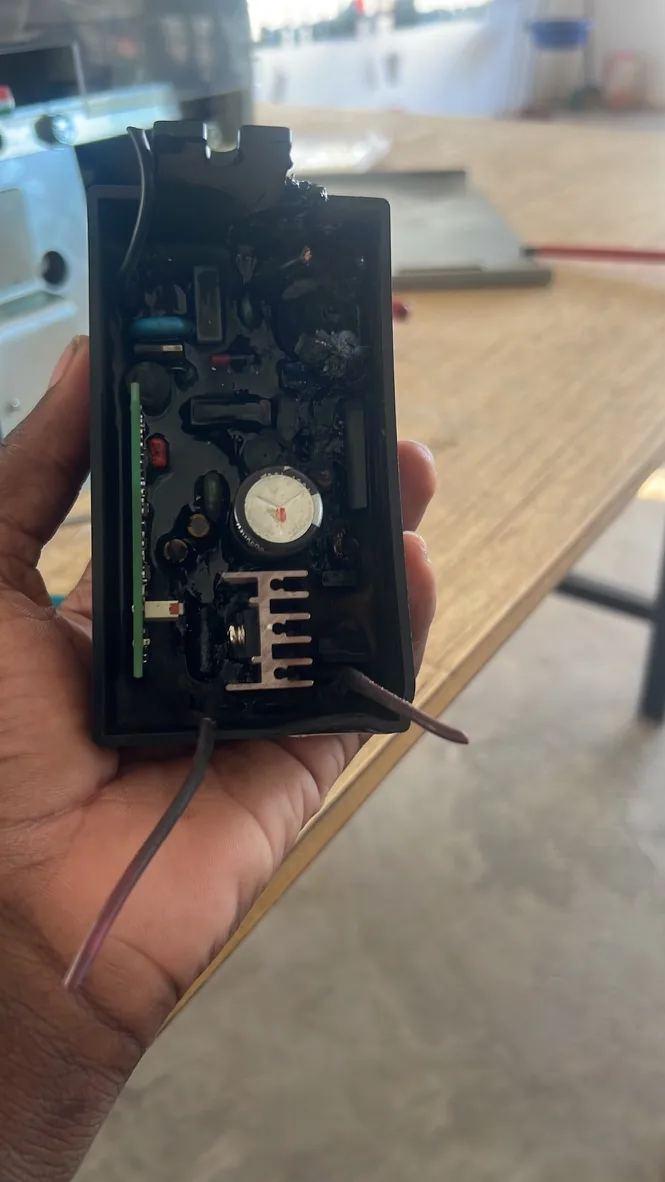
While most hardware can be saved, some boards are beyond economical repair. Severe multi-layer PCB burn-through, extensive internal substrate delamination, or cracked proprietary system-on-chips (SoCs) with encrypted vendor locks can make physical repairs impossible. Trustworthy workshops employ clear diagnostic assessment policies—typically charging a modest flat inspection fee if a board is determined to be non-viable, allowing you to salvage useful peripherals and plan alternative sourcing.
How to Choose a Reliable Electronics Repair Service Provider
Finding a repair partner requires looking past marketing claims to evaluate hands-on technical competence, safety practices, and workshop standards.
Key Indicators: Certifications, Warranties, and Experience
When evaluating a service provider, verify these foundational operational capabilities:
- Component-Level Diagnostics: Ensure the shop actually replaces discrete components, microcontrollers, and surface-mount devices (SMDs) rather than merely swapping whole sub-assemblies.
- Warranty Protection: Look for robust warranty terms. Industry-standard repairs generally include 90-day parts and labor coverage, with high-stress items like console HDMI and power ports often warranting up to 12-month coverage.
- Electrostatic Discharge (ESD) Controls: Precision electronics require grounded ESD work surfaces, wrist straps, and temperature-controlled soldering systems to prevent latent silicon degradation.
- Transparent Documentation: Reliable providers explain diagnostic findings clearly, outlining specific component failures before performing billable work.
Service Delivery Models: Walk-In, On-Site, and Mail-In Electronics Repair
Different hardware failures require different logistical approaches:
- Walk-In Service: Ideal for portable consumer devices and rapid triage where direct communication with a technician speeds up simple fixes.
- Tracked Mail-In Repair: Highly effective for specialized PCB work. Extracting and shipping only the faulty control board or power supply module drastically cuts shipping costs and eliminates transit risks for bulky equipment.
- On-Site Field Service: Necessary for fixed municipal hardware, plant automation, and commercial machinery. We provide dedicated industrial and specialized repair capabilities to troubleshoot control cards, drive units, and telemetry systems directly in their operating environment.
Essential Preparation: Data Backup and Safety Precautions
Before sending any programmable device or computing platform for servicing, take proper precautions to protect your data and hardware:
- Perform a Complete Backup: While board technicians isolate hardware faults without intentionally modifying storage, diagnostic power cycling and firmware validation can occasionally affect unbacked partitions. Always secure data to local external drives or encrypted cloud storage first.
- Remove Sensitive Peripherals: Detach external memory cards, SIM cards, auxiliary dongles, and unnecessary mounting brackets.
- Disclose Fault History: Provide a clear written note detailing when the fault began, any unusual sounds or smells noticed, and prior troubleshooting attempts. This accelerates fault tracing and prevents duplicate bench testing.
- Safeguard Battery Systems: If shipping devices with integrated lithium-ion cells, ensure the unit is discharged below 30% capacity where possible and packed securely in protective, non-conductive materials.
Frequently Asked Questions About Electronics Repair
Do I need to back up my data before submitting a device for repair?
Yes. Although hardware technicians focus strictly on physical circuitry and do not access personal or proprietary files, powered circuit troubleshooting and thermal cycling carry inherent risks of data corruption on failing storage drives. Always perform a complete backup before handing over your device.
What typical warranty coverage should I expect on component repairs?
Reputable repair services back their work with clear warranties. General micro-soldering and passive component replacements typically carry a 90-day parts and labor warranty, while mechanical structural repairs—such as reinforced USB-C charging ports or console display jacks—frequently include up to 12 months of coverage against manufacturing and installation defects.
What happens if a repair technician cannot fix my circuit board?
If diagnostics reveal extensive internal substrate burn-through or irreparable proprietary chip failure, an honest technician will explain exactly why the board cannot be restored. Under standard transparent service policies, you are only responsible for the baseline diagnostic assessment fee, and the provider will assist you in exploring custom replacement board options or safe hardware salvage.
Conclusion
Choosing a professional repair service protects your equipment investments, minimizes unnecessary downtime, and keeps mission-critical operations running smoothly. By relying on rigorous diagnostics, high-precision micro-soldering, and honest feasibility assessments, you can extend the working lifespan of modern hardware while maintaining optimal operational budgets.
At HERO Control Systems Ltd., we bring end-to-end design, manufacturing, and advanced component repair expertise to complex hardware challenges. Explore our comprehensive range of expert electronic design and repair services to keep your industrial systems, control assemblies, and custom electronics performing at their best.