
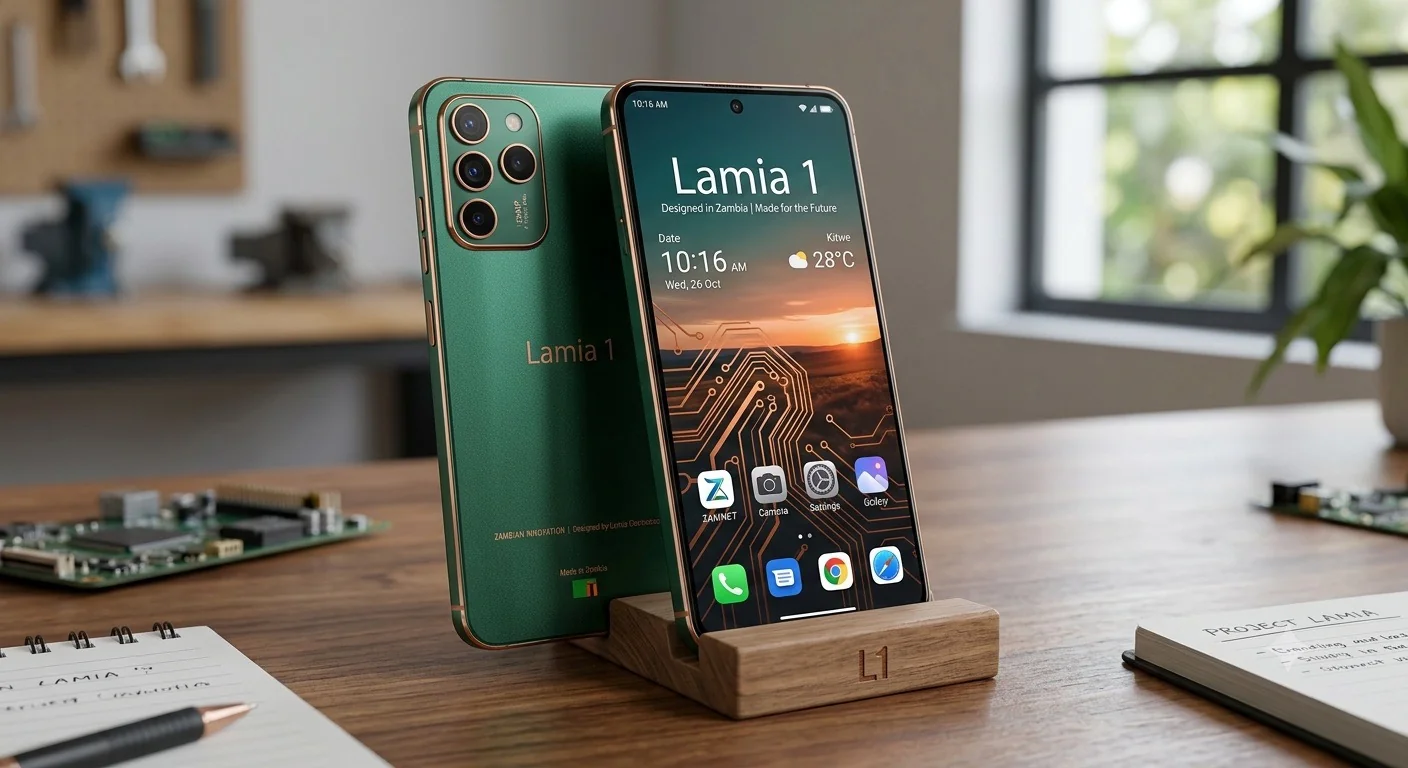
The first phone designed in Zambia.
Every phone in every Zambian pocket was designed somewhere else. Lamia 1 is the one that will be designed here — by the engineers who already put "Designed in Zambia" on boards that ship to America.
The most personal computer a nation owns — and we import every one.
A phone is where a Zambian keeps money, identity, school results, farm prices and family. Not one of them was designed by someone who has stood in a Lusaka queue during a power cut, paid school fees by mobile money, or watched a handset die in the Copperbelt dust.
Every handset sold here carries its value out of the country: the design, the engineering salaries, the intellectual property, the repair economy. What stays is the box and the bill. A country that designs its own phone keeps the skills, keeps the margin, and decides for itself what its people's devices should do.
Lamia 1 is not about matching Seoul or Shenzhen on the spec sheet. It is about a phone that answers to Zambian life first — and about proving that the answer can be engineered here.
Designed around our realities, not someone else's market.
Built for load-shedding
Battery life and charging designed around a grid that goes off — not around a wall socket that is always on.
Mobile money first
Payments, USSD and the services Zambians actually use, designed in from day one rather than bolted on.
Our languages, our conditions
Bemba, Nyanja, Tonga, Lozi alongside English. Dust, heat and drops treated as the normal case.
Repairable, here
Spares, service and a repair bench in the same country as the customer. A phone that is fixed, not thrown away.
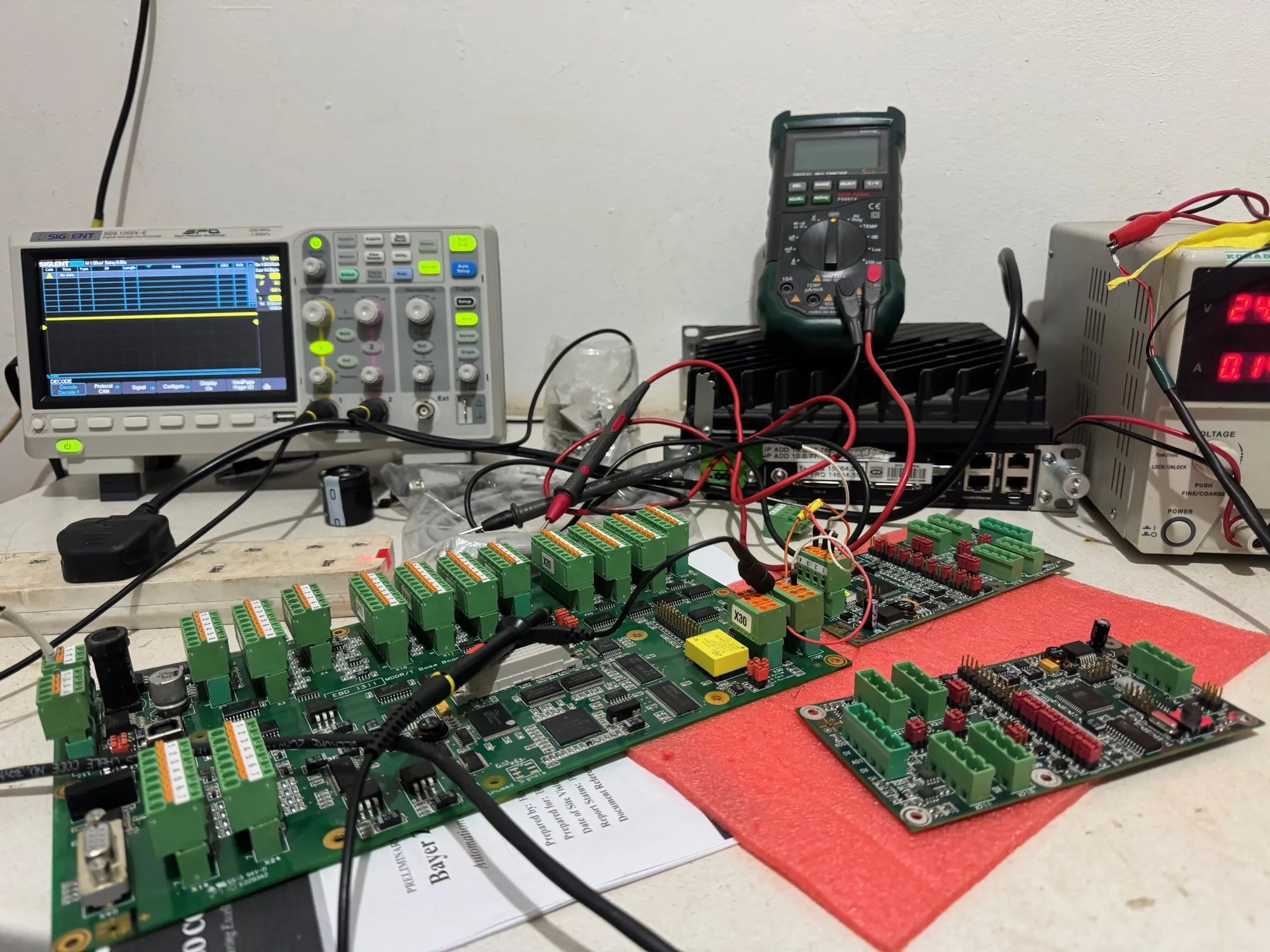
We are not asking you to believe. We are asking you to look at the bench.
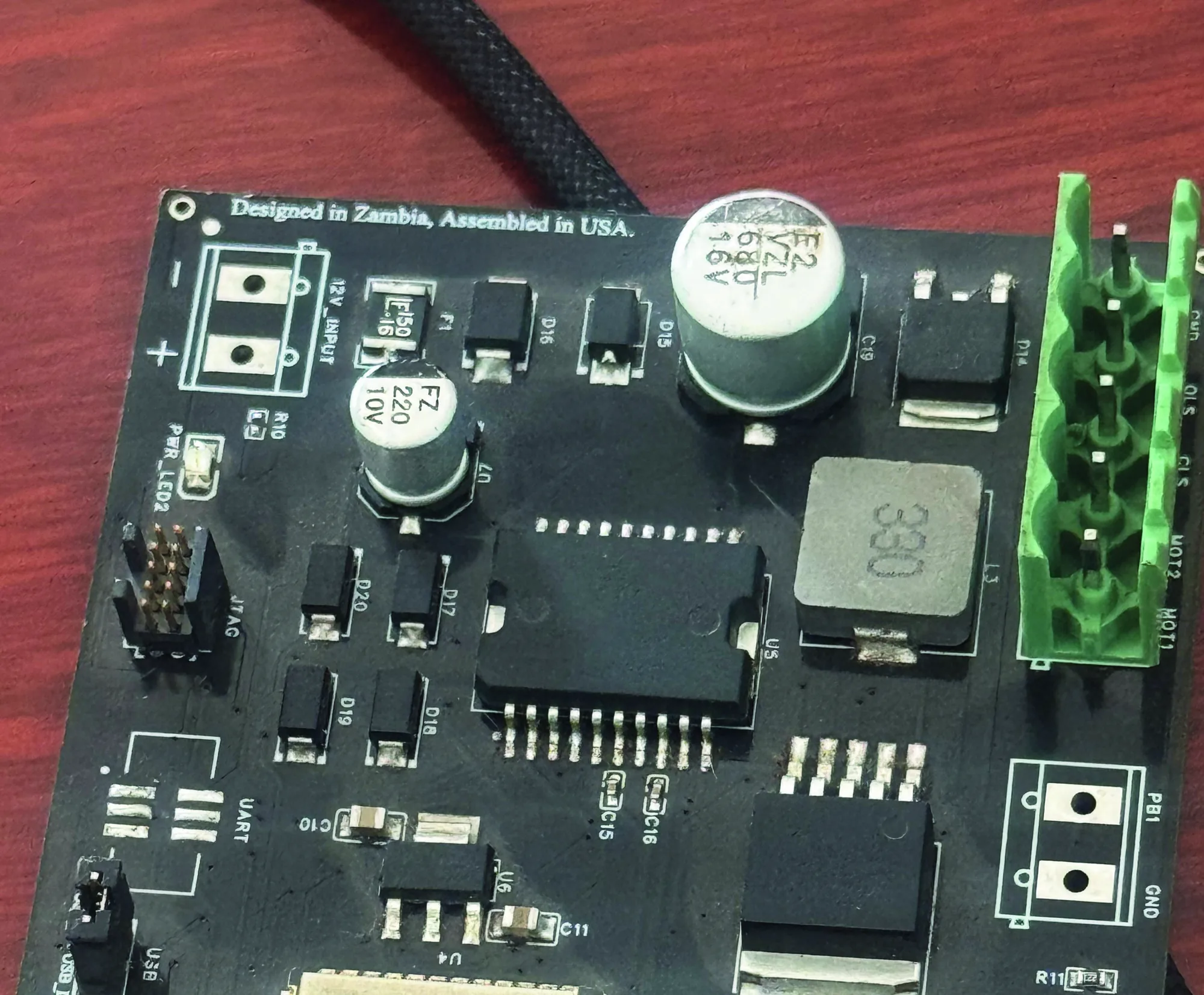
That line is silkscreened on the WaterHandler control boards we design in Lusaka and export to Texas every month. See the product →
Lusaka Water's discontinued pump-station card, reverse-engineered and rebuilt here — running since February 2026 with zero failures. Read the case →
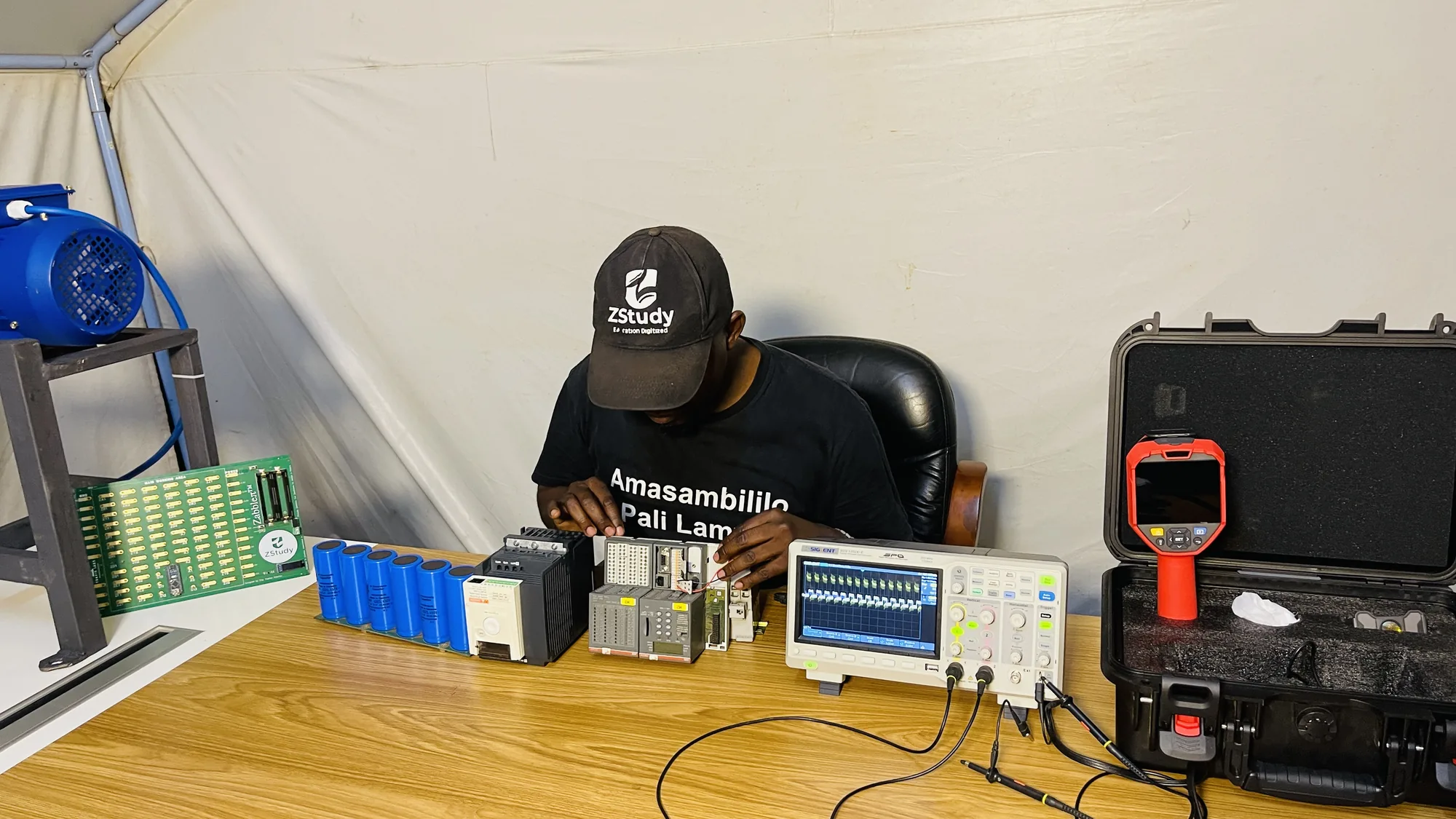
300+ engineers and technicians trained on our benches, and Zabble — a product line that went from schematic to Zambian schools. Meet the pipeline →
From concept to a phone in a Zambian hand.
Concept & architecture
Industrial design, reference platform, bill of materials, ZICTA type-approval path.
Engineering prototype
Mainboard, power and battery subsystem designed by Travis Labs; enclosure and display integration; first working units on the bench.
Pilot batch
Small run in Zambian hands; field testing; certification submissions.
Launch
Lamia 1 available in Zambia.
The first equity in a Zambian consumer-electronics brand.
Lamia is the flagship of everything HCS has built: the design bench, the export line, the repair centre, the training pipeline. It is the project that turns "we could" into "we did".
We are looking for Zambians — at home and in the diaspora — and for companies that want their name on the first phone designed in this country. Capital goes into the engineering prototype, the pilot batch, certification and tooling: hardware, not slides.
Terms, the technical plan and the data room are shared under NDA.
Lamia 1 will not be the most powerful phone in the world. It will be the first one that is ours — and the beginning of every one after it.HERO Control Systems · Learn · Build · Scale