Local engineering capacity: the infrastructure Grow Zambia can't import
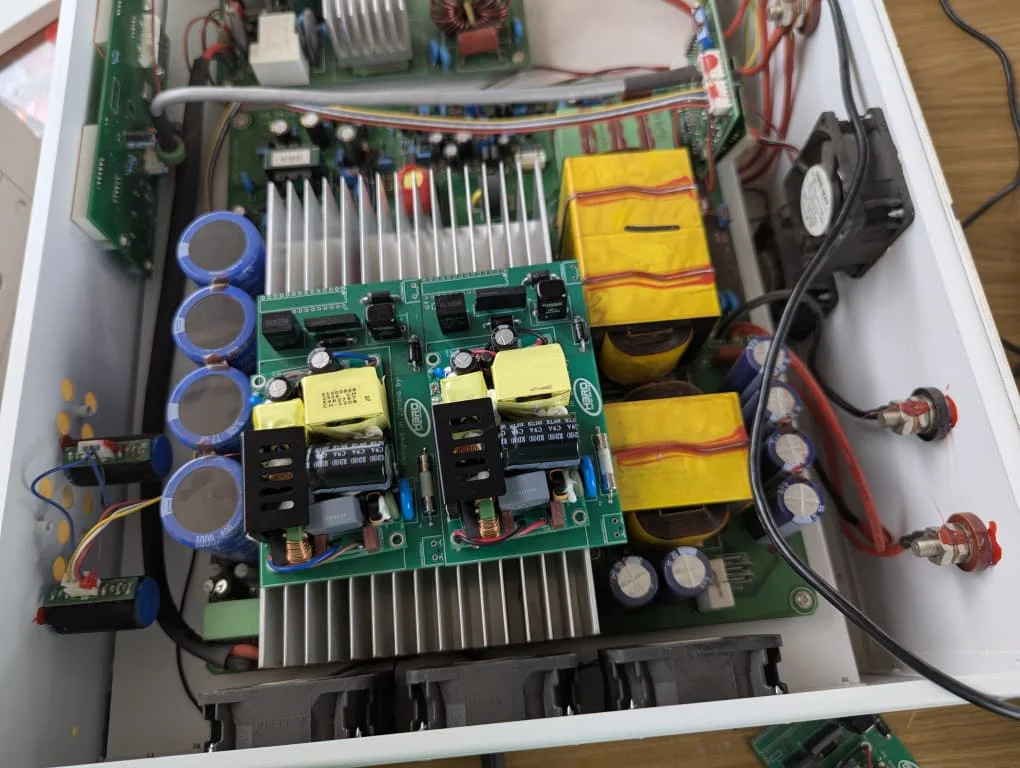
Not long ago, pumps at Lusaka Water were held up by a small control card. Each soft starter that brings a pump motor up to speed has a card inside that switches the contactor carrying the motor current. Those cards kept burning out. When the maintenance team looked for replacements, the manufacturer had discontinued the card, and a supplier search found none anywhere in the world. The pumps, motors and soft starters were all sound. One small board was not, and nobody sold it any more.
We traced the original circuit, worked out why it was failing, and designed a new board with our own firmware. We built it in our Lusaka workshop and commissioned it on site. It has run since February 2026 with zero failures. (The full case study is here.)
It was a small job, but it carries a large lesson. What separates a sound machine from a working one is often neither money nor equipment. It is whether someone nearby can understand the electronics inside it, and build what is missing.
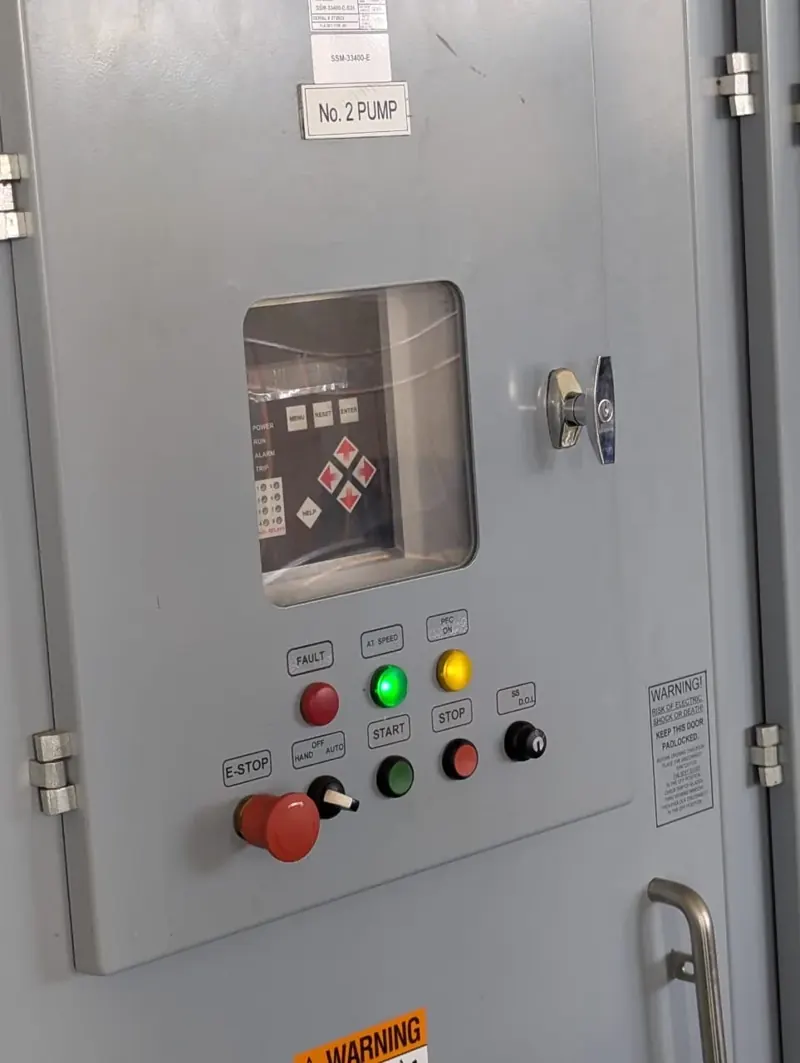
Grow Zambia runs on electronics
The Grow Zambia Agenda sets national targets in tonnes and megawatts: 10 million tonnes of maize, 10,000 megawatts of electricity, 3 million tonnes of copper, and more. Every one of those numbers depends on machines. Every one of those machines is controlled by electronics, and most of those electronics were designed abroad.
- Power. Zambia had 3,886 MW of installed capacity in 2024, 82 percent of it hydro (ERB, Energy Sector Report 2024). The target is 10,000 MW, and much of what is being added is solar. The ERB counted 183 MW of grid-tied solar in 2024, and the Ministry of Energy reported 841 MW of installed solar PV by July 2026 (pv magazine). Each solar megawatt arrives with inverters, and each battery bank with battery-management electronics. All of it has to be diagnosed and repaired for the life of the plant.
- Copper. Output was 890,346 tonnes in 2025, against a target of 3 million tonnes by 2031 (Ecofin). More than tripling output means more drives, soft starters, hoists, conveyors and pumps, each with control boards that fail.
- Food and water. Maize, wheat, soya and sugar move through mills and process plants, and irrigation and town water move through pumps. They all use the same families of drives, soft starters and controllers we repair every week.
- Transport. Government institutions must now buy only electric vehicles. That brings chargers, battery-management systems and traction inverters, and with them a new generation of power electronics to install and maintain. (We assessed the directive in Electrifying the State Fleet.)
When those electronics fail and the only option is the original manufacturer, the targets wait on a courier. The capacity to design, build and repair electronics here is therefore part of the infrastructure the agenda needs, in the same way as roads, lines and dams.
What the pictures show
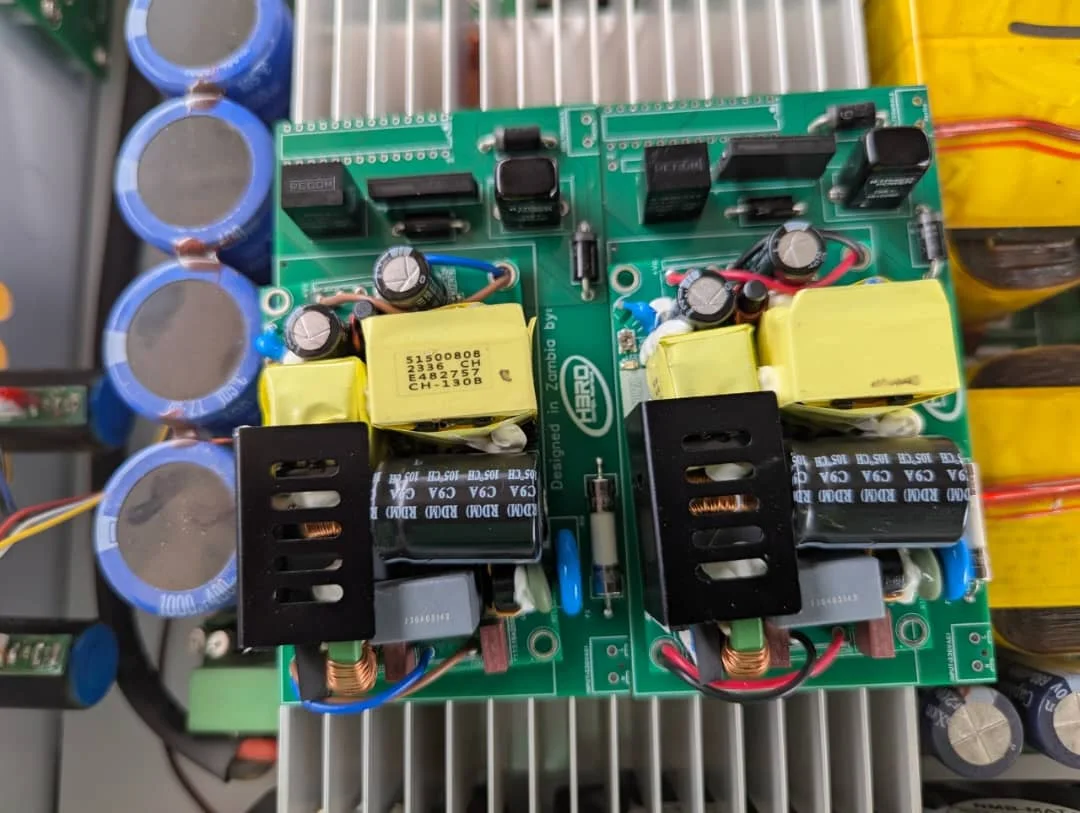
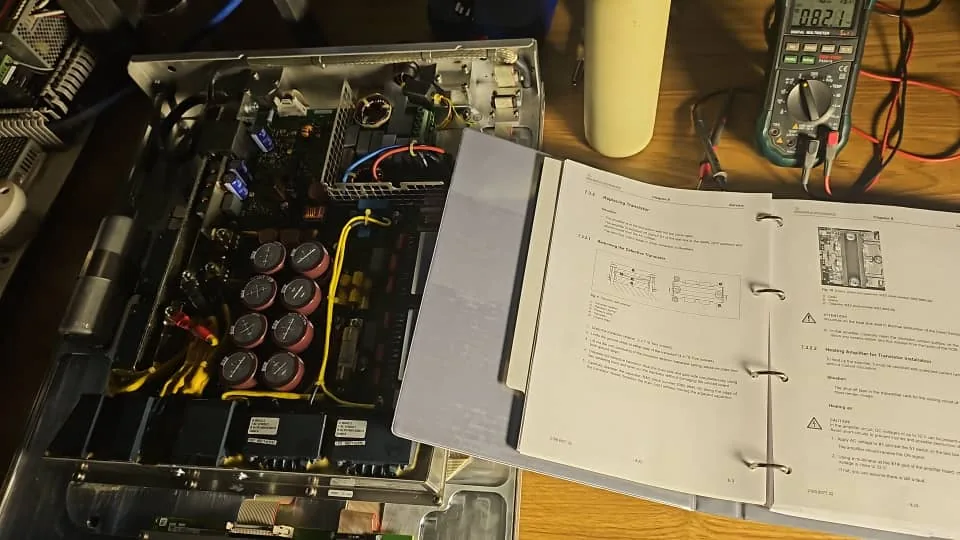
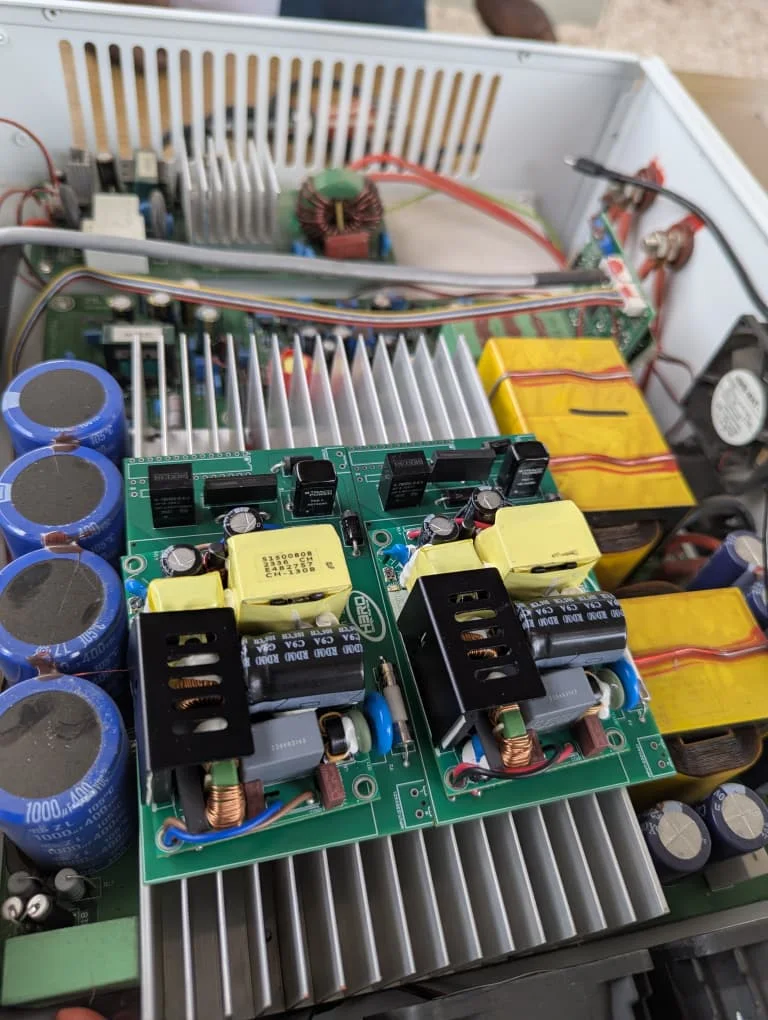
These are the boards that replaced the discontinued Lusaka Water cards: our contactor-economiser control unit, the SCU, fitted inside a soft starter. Each SCU takes the 230 V AC control supply and protects itself against surges at the input. It then drives the contactor coil in two stages. It applies full current to pull the contactor in, then drops to a reduced holding current once it has closed. The original card held the coil at full power for as long as the pump ran, and the heat built up inside a closed panel, day after day. Add the surges on the supply, and the card burnt out.
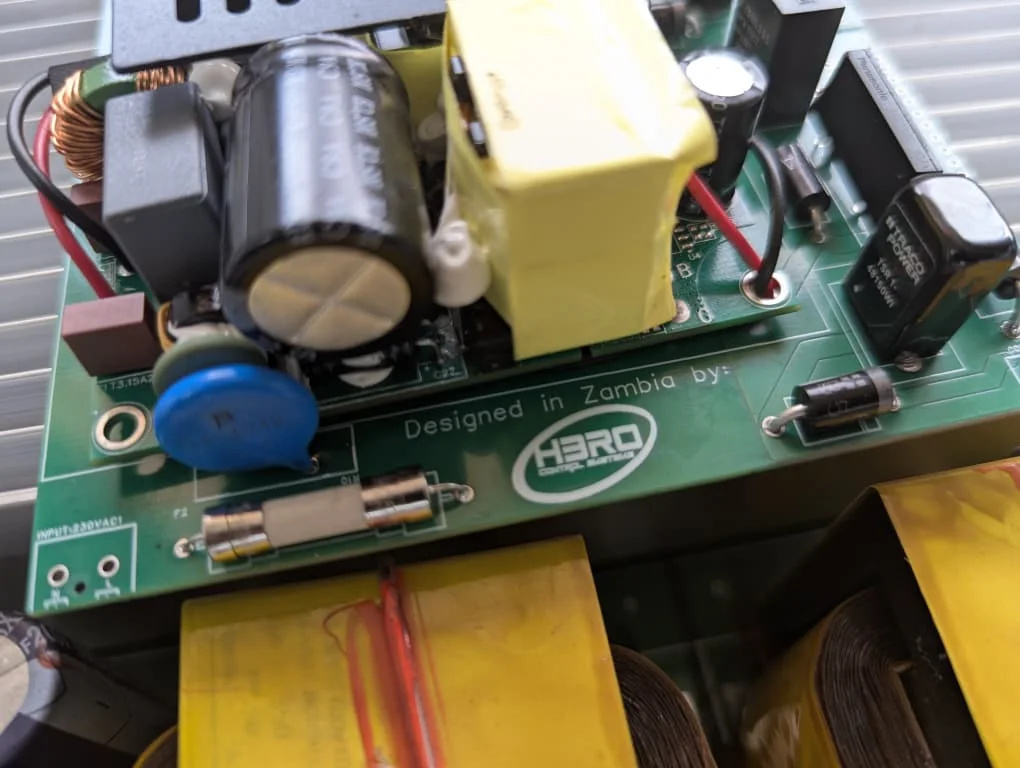
That is the real advantage of designing locally. It is not that we copy imported boards more cheaply. We design for the conditions the equipment will actually meet. A like-for-like copy of the old card would have burnt out the same way. The SCU removes both causes: it has input protection for Zambian supply conditions, and it has firmware that cuts the coil current once the contactor has closed. We chose parts that can be sourced regionally, so the board can be built again whenever it is needed.
Why local capacity matters
- Time. Importing a replacement typically takes 4 to 12 weeks. A diagnosis and repair in Lusaka takes days. A mill, a pump station or a mine conveyor that stands idle for a month loses a month of output, however good the season was.
- Foreign exchange. Replacing a unit means paying for a whole new one in dollars, plus freight and duty. Repairing or redesigning means paying for the failed parts and the engineering, mostly in kwacha, to people who live and spend here.
- Root causes. A replacement unit fails again for the same reason. A local engineer who opens the failed board finds out why it failed, and the fix stays fixed.
- Skills that compound. Each design and each repair trains people. Our training division has taught more than 300 engineers and technicians on real hardware. Those skills stay in Zambia, and they grow.
- Exports. Control boards we design in Lusaka ship every month to a client in Texas, USA. Electronics are a non-traditional export that Zambia can make, but only if the design capacity exists at home first.
What it will take
A single company cannot build national capacity. Zambia already has engineers, technicians and workshops that can do this work. What decides whether they grow is the choices made by the people who buy, regulate, train and finance.
- Procurement that counts capability. When government, utilities and mines buy power plants, inverters, drives or vehicles, the tender can ask who will repair them in Zambia. It can also require access to diagnostic tools and service information, and evaluate bids on whole-life cost rather than purchase price. Where a part is discontinued, "repair or redesign first" should be the default before replacing the machine.
- First customers. Lusaka Water was willing to put a Zambian-designed board on a live pump station. Every pilot like that creates a reference the next buyer can trust. Utilities and mines are in the best position to give local designs their first run.
- Standards and testing. Accessible certification and testing for locally made electronics lets buyers trust them without sending samples abroad.
- Skills that build, not only operate. TEVET and university programmes in which trainees design, assemble and repair electronics will supply the technicians every target on the list depends on.
- Finance for tools. PCB assembly, test rigs and measurement equipment are what turn a design office into a manufacturer. Patient finance for equipment does more for local capacity than finance for imports.
Learn, build, scale
Our motto is the order we work in. We learn equipment by repairing it. We build by designing our own, like the SCU in these pictures. And we scale by training others and taking the work further. The Grow Zambia targets will be counted in tonnes and megawatts. Whether they are met will depend, more than most people realise, on whether the electronics behind them can be designed, built and kept running by engineers in Zambia.
If you run a pump station, a mill, a mine, a solar plant or a fleet, and a board has failed or been declared "discontinued", don't scrap the machine yet. Send a photo of the failed board and the machine's nameplate on WhatsApp to +260 974 546 632, or email sales@hcsys.co. More on our electronics design, industrial repair and training.