The Modern Architecture of IoT Remote Monitoring Software
How to Compare IoT Remote Monitoring Software
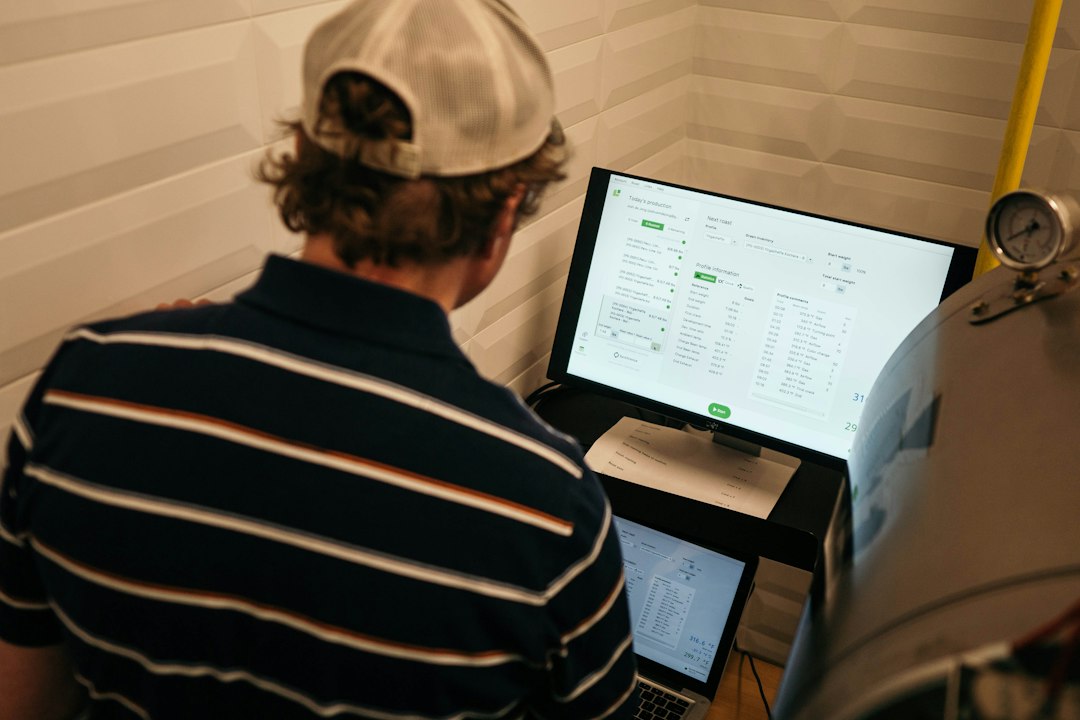
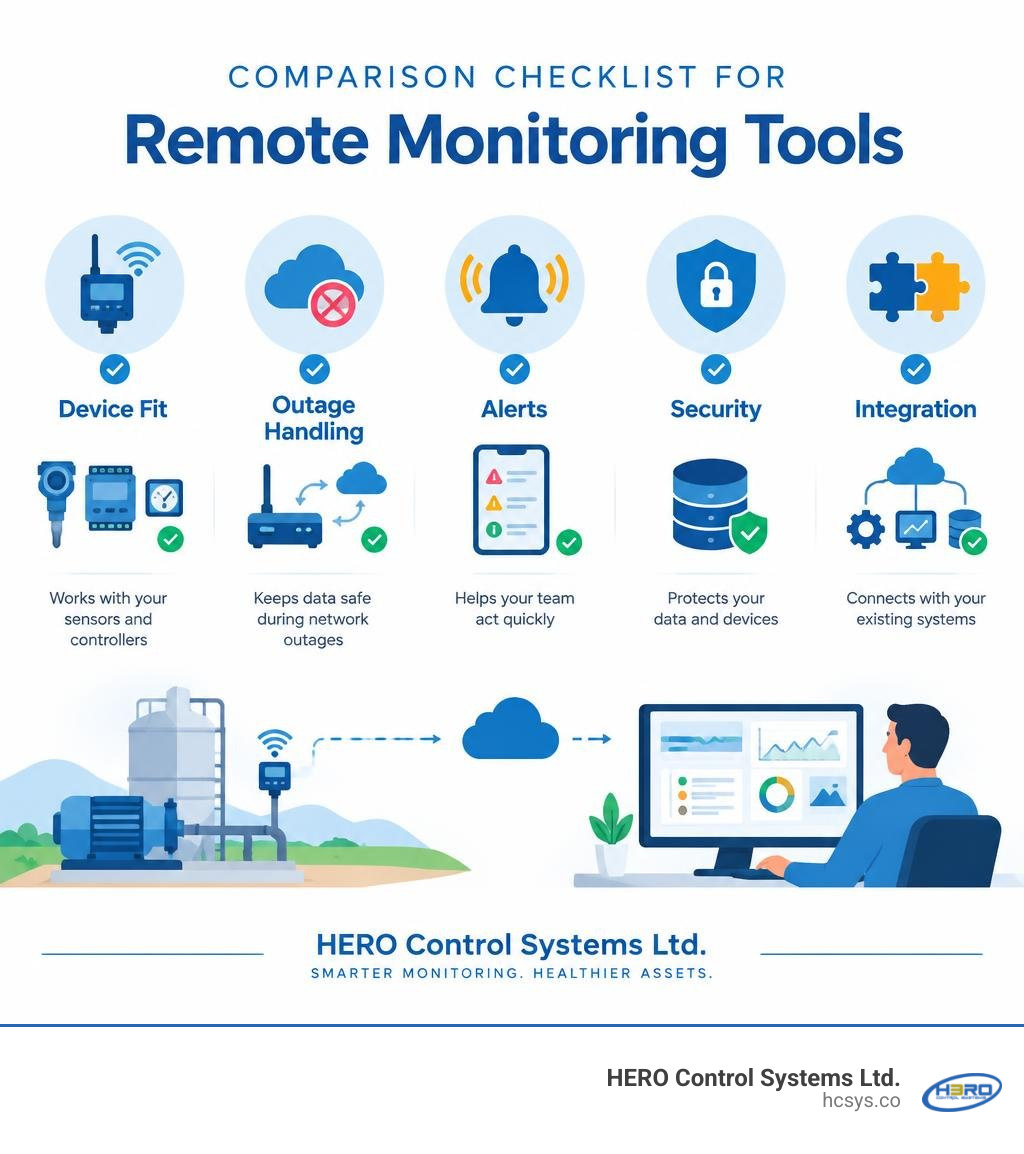
IoT remote monitoring software collects data from equipment at remote sites and turns it into alerts, trends, and maintenance tasks. To compare tools, check whether they work with your existing sensors and controllers, keep data safe during network outages, and let your team act on alerts. For a utility or mine, reliable connectivity and support for older equipment may matter more than a long feature list.
The best setup connects field devices to a clear view of asset health without forcing you to replace working hardware. Edge processing can filter routine data before it reaches the cloud, helping reduce bandwidth use at remote sites.
I’m Eng. Cephas Kalembo, founder and CTO of HERO Control Systems Ltd. My work in embedded firmware, connected controllers, and IoT cloud platforms shapes how I evaluate IoT remote monitoring software.
The article editor does not render LaTeX. Do not write LaTeX commands or math delimiters in article copy. Explain calculations in plain language, or use an ordinary-text formula when useful, such as watts = volts × amps. Write units as readable text, such as ft³/hour or gallons/kWh. When asked to remove formulas or confusing mathematical notation, replace them with prose; do not substitute different equations or hide the notation in code.
Key Architectural Pillars of IoT Remote Monitoring Software
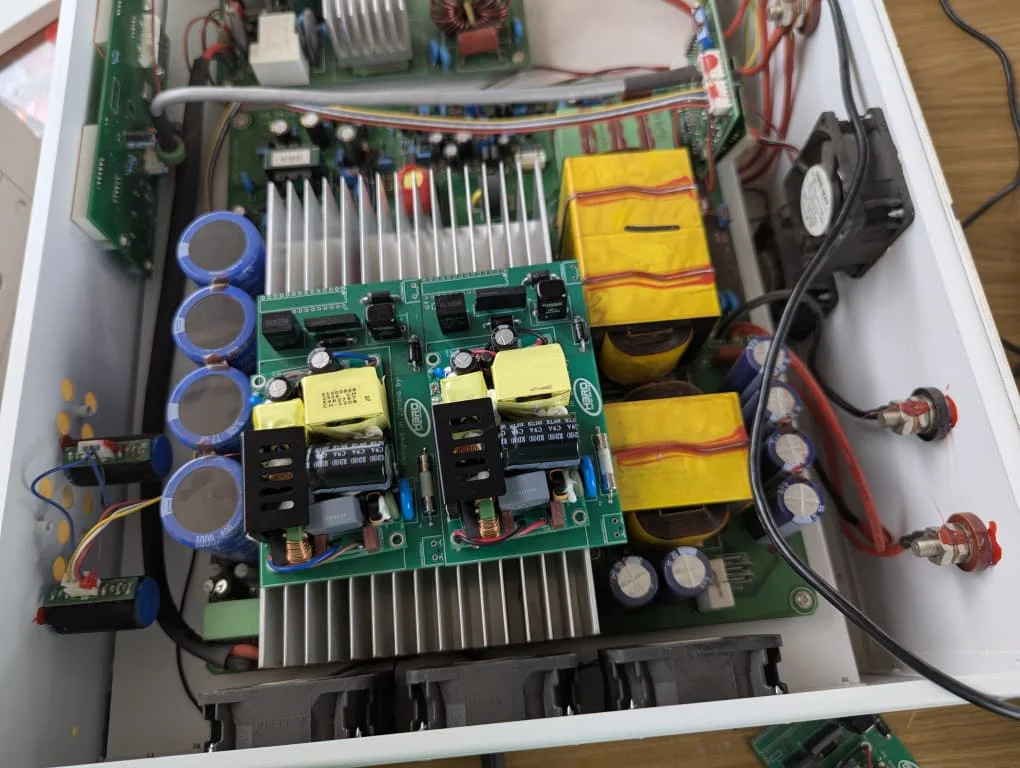
Modern connected operations depend on clean, layered engineering. When we evaluate enterprise monitoring systems, we look beyond the user interface to understand how telemetry travels from a physical copper trace on a circuit board to an executive report.
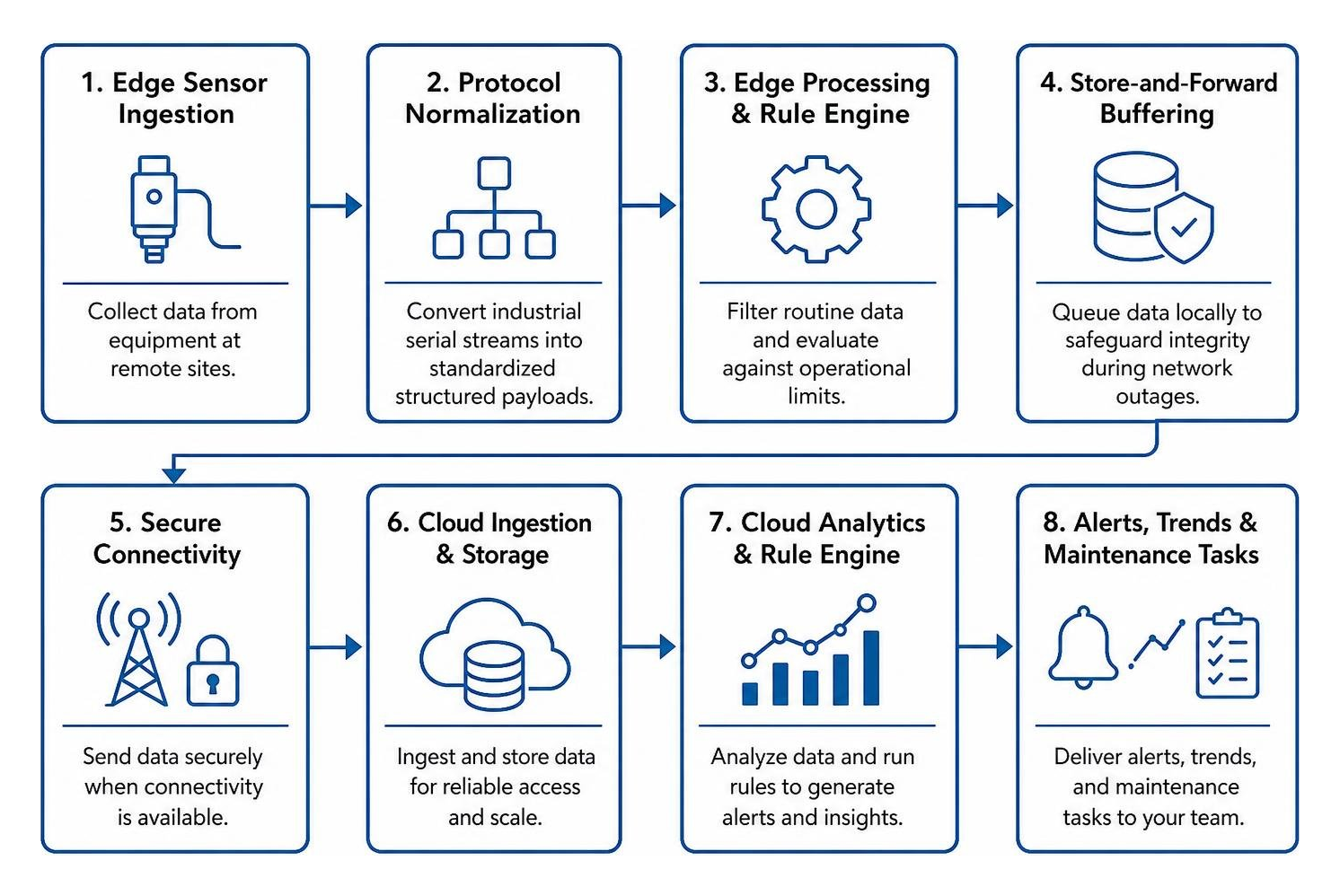
A resilient software architecture rests on several core pillars:
- Edge Ingestion and Protocol Normalization: Converting disparate field voltages, register maps, and industrial serial streams into standardized structured payloads.
- Store-and-Forward Buffering: Local non-volatile queuing that safeguards data integrity during intermittent wide-area network dropouts.
- Stream Processing and Rule Engines: Low-latency evaluation of incoming data against operational limits, running either locally or in scalable cloud runtimes.
- Hardware Abstraction Layer: Decoupling the software platform from specific sensor manufacturers so you can swap physical sensors without rewriting your monitoring logic.
- Role-Based Access and Audit Logging: Strict segregation of operational permissions, ensuring configuration changes and remote commands are tracked down to the individual operator.
| Architectural Feature | Traditional SCADA Systems | Cloud-Native IoT Remote Monitoring Software |
|---|---|---|
| Deployment Model | On-premise bare-metal servers, localized network loops | Distributed cloud, hybrid edge-to-cloud containers |
| Scalability Limit | Constrained by local server compute, licenses per tag | Horizontally scalable, elastic ingestion pipelines |
| Protocol Support | Rigid industrial standards (Modbus, Profibus, DNP3) | Multi-protocol (MQTT, REST APIs, OPC UA, LoRaWAN) |
| Data Accessibility | Locked inside local control rooms or dedicated VPNs | Accessible securely via browser, mobile, and REST APIs |
| Maintenance & Updates | High-cost manual on-site servicing and downtime | Continuous over-the-air firmware updates and SaaS patches |
| Edge Intelligence | Limited logic execution inside local PLCs | Advanced edge compute, local AI triage, bandwidth throttling |
How Modern IoT Remote Monitoring Software Differs from SCADA
Supervisory Control and Data Acquisition (SCADA) systems have served manufacturing and heavy infrastructure well for decades. However, SCADA was designed for centralized, co-located environments such as a single refinery or power plant where high-bandwidth, hardwired local area networks run between equipment racks.
Modern enterprise operations are far more geographically distributed. Organizations manage fleets of solar-diesel hybrid microgrids, multi-site telecom towers, municipal lift stations, and commercial cold storage across vast distances. Applying traditional SCADA to thousands of dispersed endpoints introduces high licensing overhead, rigid communication layers, and severe maintenance burdens.
Cloud-native IoT monitoring platforms solve this through native multi-tenancy, horizontal compute scaling, and optimized edge communication. Rather than maintaining constant, heavy polling loops over high-latency cellular connections, IoT platforms use event-driven messaging protocols. This shift allows teams to monitor hundreds of facilities in real time from a single pane of glass while deploying our tailored IoT remote monitoring software to unify field intelligence.
Open Hardware Protocols and Ingestion Engines
Vendor lock-in is one of the most expensive traps in industrial operations. When a software platform requires proprietary sensor hardware, you become beholden to that vendor's supply chain, pricing, and hardware release cycles.
A modern platform must act as an open data broker. Ingestion engines should natively parse legacy and modern protocols alike:
- MQTT (Message Queuing Telemetry Transport): Lightweight publish/subscribe messaging engineered for constrained devices and low-bandwidth connections.
- Modbus RTU / TCP: The standard industrial protocol for reading registers across power meters, variable frequency drives, and legacy PLCs.
- OPC UA (Open Platform Communications Unified Architecture): Cross-platform industrial machine-to-machine communication for complex telemetry models.
- BACnet/IP: Essential for building automation systems, commercial HVAC, and chiller plant oversight.
- SNMP (Simple Network Management Protocol): Vital for monitoring network switches, uninterrupted power supplies (UPS), and telecom rectifiers.
- LoRaWAN Webhooks: Enabling wide-area, ultra-low-power wireless sensor networks for soil moisture, environmental metrics, and tank levels.
When off-the-shelf industrial telemetry units do not meet your exact physical pinout, enclosure, or sensor interface requirements, developing custom electronics design bridges the physical-to-digital gap without compromising data accuracy.
Edge Intelligence, AI Analytics, and Predictive Maintenance
Sending raw, unfiltered data across cellular connections quickly runs up high operational bills while overwhelming operations teams with noise. A vibration sensor sampling at 10 kilohertz can saturate a remote uplink within hours if raw waveforms are pushed directly to the cloud.
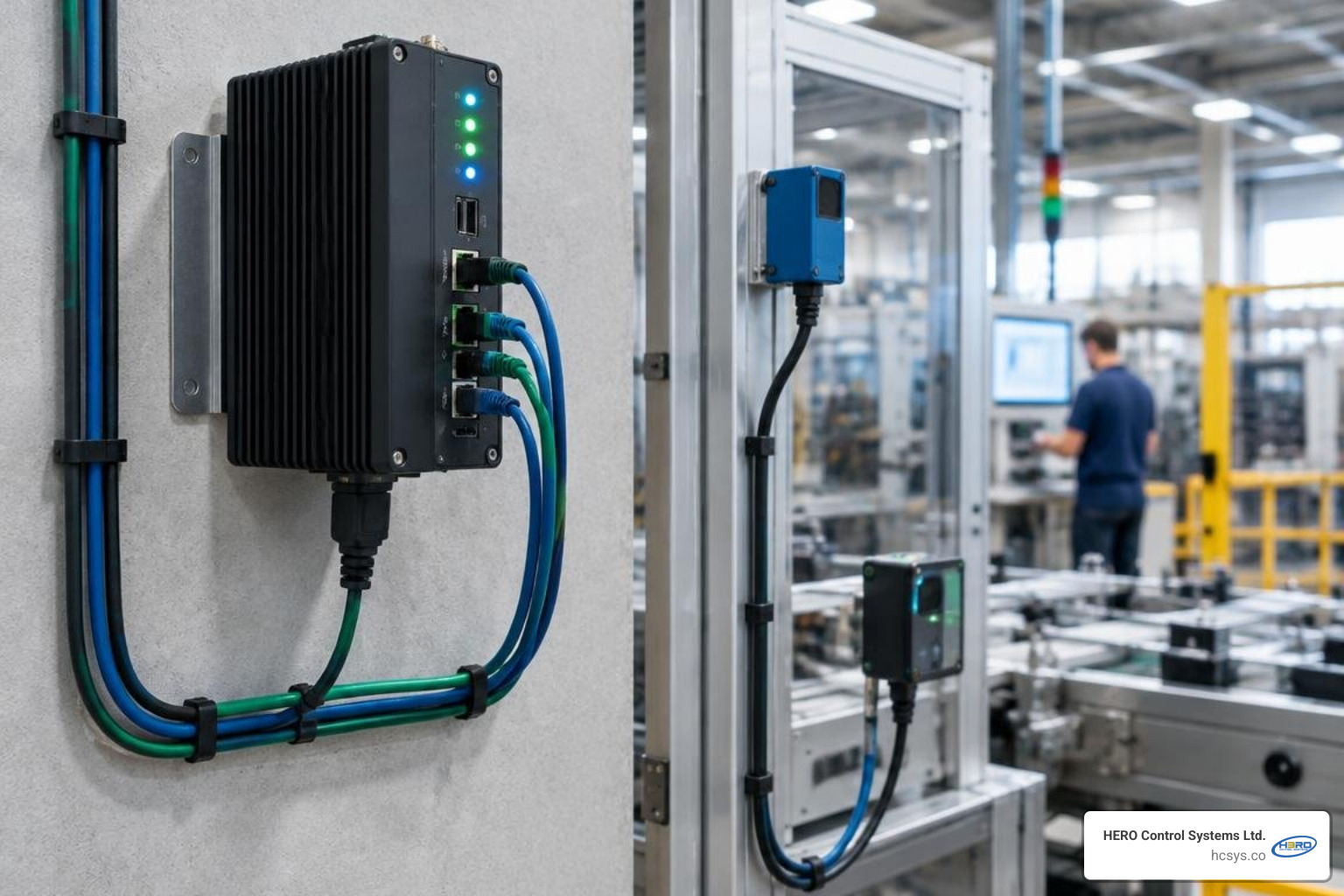
Modern IoT systems place intelligence directly at the network edge. Industrial edge controllers and micro-gateways perform local signal processing, executing algorithms that evaluate raw signals directly on the physical hardware.
Edge-Driven Data Filtering and Failure Prediction
By executing real-time thresholding and Fourier transform vibration analysis on the edge device itself, the gateway transmits only calculated metrics (such as peak acceleration, RMS velocity, and temperature deltas) under normal operating parameters. When an anomalous pattern emerges, the system switches to high-frequency streaming and triggers immediate diagnostic routines.
This intelligent filtering provides early warnings for mechanical degradation. Platforms can identify bearing wear, motor winding imbalances, and cavitation in pumps 3 to 5 days before an actual physical breakdown occurs. This early notification window transforms maintenance workflows, moving operations teams from chaotic emergency downtime to scheduled, low-cost maintenance interventions.
Furthermore, local edge logic can execute autonomous recovery actions without waiting for a cloud round-trip. For example, if a remote communications radio or camera stops responding, the edge controller can power-cycle the port automatically, resolving the fault on the spot.
AI-Powered Alarm Triage and Visual Telemetry
One of the largest operational hidden costs in asset monitoring is "alert fatigue." When alarms trigger indiscriminately across hundreds of field sites, operators begin ignoring notifications, which is usually when a catastrophic failure slips through unnoticed.
Modern monitoring frameworks employ event-based AI filtering to suppress noise caused by transient spikes, momentary voltage dips, or harmless environmental changes. Alarms are contextualized before notification dispatch:
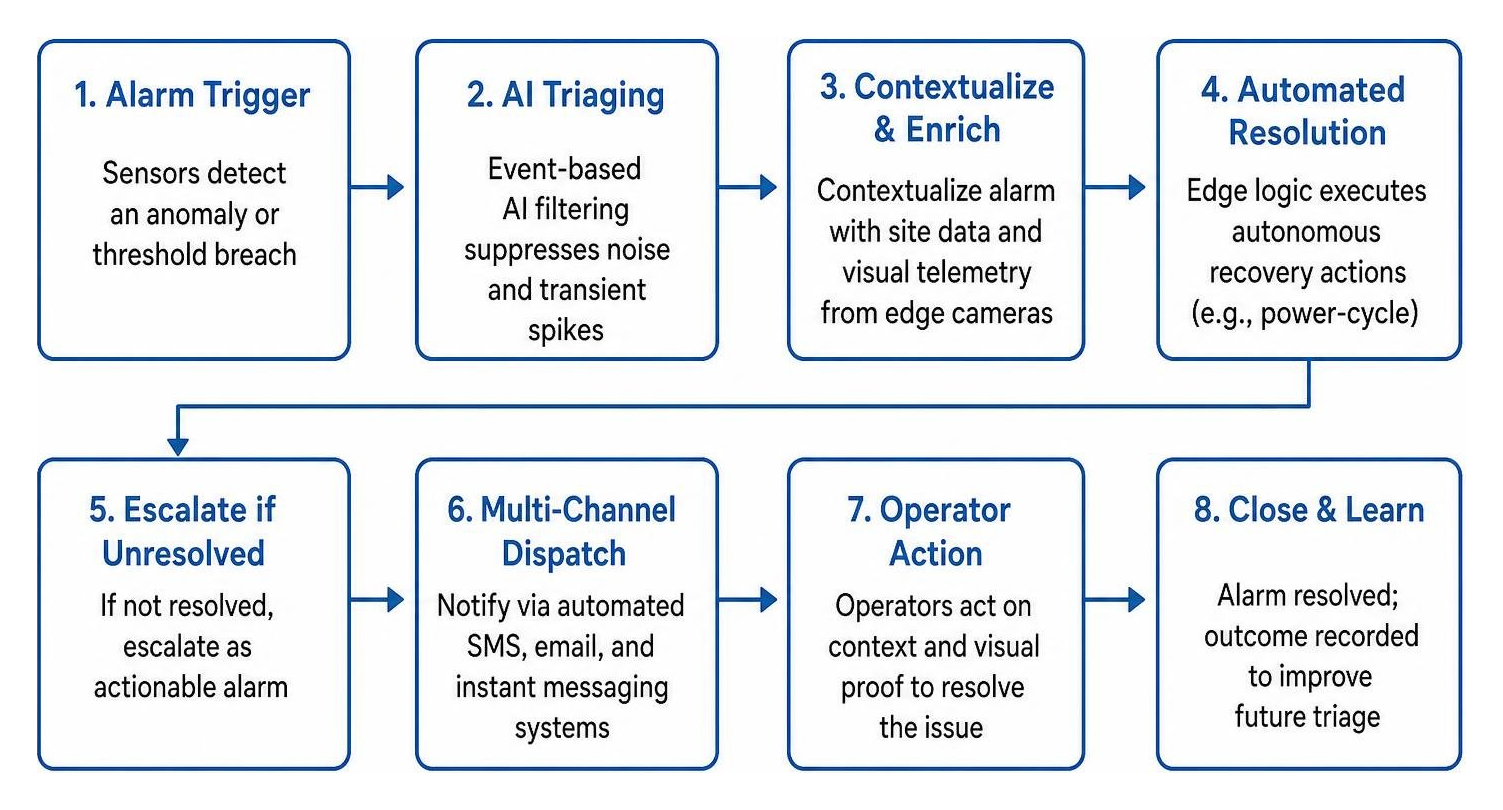
Integrating visual telemetry alongside industrial metrics adds vital context to remote monitoring. When an alarm triggers—such as a security breach at an electrical substation or high-temperature warning in a generator housing—the platform captures automated visual proof from on-site edge cameras. Dispatching field technicians becomes far more efficient when they can see the physical fault, fluid leak, or component damage before leaving the depot. Notifications then flow through multi-channel dispatch pipelines, including automated SMS, email, and instant messaging systems.
Enterprise Integration, Security, and Resilient Connectivity
An IoT platform cannot operate in an operational vacuum. Sensor data delivers the highest business value when it flows directly into your maintenance planning, financial, and inventory systems.
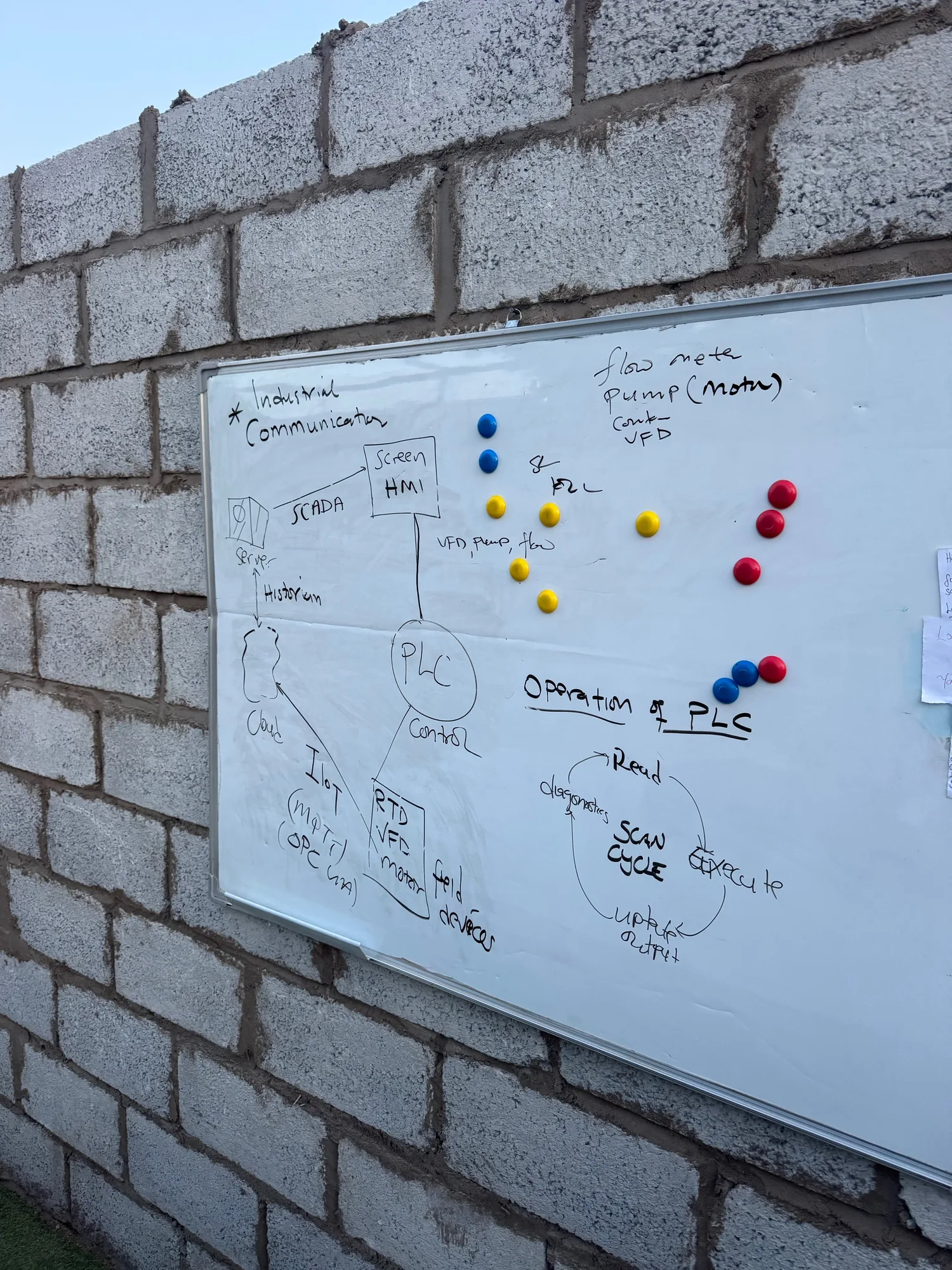
When an anomalous operating pattern is detected—such as severe impeller wear on an industrial slurry pump—the monitoring system should do more than simply sound an alarm. It should automatically create a tracked work order in your Computerized Maintenance Management System (CMMS) or Enterprise Resource Planning (ERP) platform, reserve the necessary replacement parts in inventory, and assign a qualified technician. Maintaining stable operational data flow across these networks requires dependable IT network support.
Bi-Directional Remote Control and Asset Orchestration
True operational efficiency requires moving beyond passive monitoring to active remote orchestration. Technicians need the ability to adjust setpoints, throttle pump speeds, cycle backup generators, and update configuration parameters without setting foot on-site.
This requires integrating telemetry collection with robust PLC programming across field hardware:
- Over-the-Air (OTA) Configuration: Safely pushing parameter adjustments, setpoint updates, and logic modifications across entire fleets of field controllers simultaneously.
- Actuator Control: Sending secure commands to initiate valve closures, start auxiliary cooling systems, or transfer power loads between grid, solar, and diesel assets.
- Immutable Audit Logging: Maintaining a strict, timestamped record of every remote command, including the originating operator identity, previous configuration state, and post-execution feedback.
Security Guardrails for Industrial Network Integration
Connecting physical industrial assets to wider enterprise networks introduces cyber-physical risk. A compromised monitoring platform can lead not just to data loss, but to physical equipment destruction and personnel safety hazards.
Hardening IoT remote monitoring platforms requires applying zero-trust principles across every architectural boundary:
- Mutual Transport Layer Security (mTLS): Every field gateway and cloud broker must authenticate cryptographically using unique, device-level x.509 digital certificates.
- Encrypted Payloads: Telemetry in transit and at rest must be protected with bank-grade encryption protocols (AES-256 and TLS 1.3).
- Network Isolation and Micro-Segmentation: Edge controllers should never sit exposed on public IP addresses. Cellular backhauls must use private Access Point Names (APNs), VPN tunnels, or outbound-only connections to prevent unauthorized inbound polling.
- Store-and-Forward Network Resilience: When cellular or satellite links drop, edge devices must buffer timestamped telemetry in local flash memory, automatically synchronizing data when connectivity restores without data gaps.
Organizations should also consult standard security frameworks, such as the NIST guidelines on foundational cybersecurity activities for IoT device manufacturers, to ensure both hardware and software satisfy robust security standards.
Cross-Industry Applications and Quantifiable Business Impact
Deploying scalable IoT remote monitoring software yields clear, measurable returns across diverse industrial sectors by reducing downtime, preventing catastrophic asset failures, and minimizing costly field visits.
| Industry Sector | Monitored Assets | Key Telemetry Points | Core Operational Benefit |
|---|---|---|---|
| Telecom Infrastructure | Diesel generators, solar arrays, battery banks, rectifiers | Fuel levels, battery impedance, solar yield, ambient temperature | Significant reduction in site visits; remote resolution of power anomalies |
| Water & Municipal Utilities | Lift stations, distribution pipes, chlorination systems | Flow rate, line pressure, pump vibration, wet-well levels | Rapid burst detection, automated pump cycling, regulatory reporting |
| Renewable Energy | Solar string inverters, battery storage (BESS), substations | String currents, harmonic distortion, thermal hot spots | Minimized power generation loss, optimized battery cycling |
| Commercial Facilities | Cold chain refrigeration, chillers, RTUs, air quality | Compressor discharge temp, power factor, refrigerant pressure | Reduced food spoilage, energy bill reduction, carbon compliance |
Remote Infrastructure and Telecom Tower Monitoring
Managing off-grid and weak-grid telecom towers represents one of the most demanding operational environments. Towers rely on complex hybrid power setups—combining solar panels, deep-cycle battery banks, and backup diesel generators—to maintain continuous network uptime.
By using unified remote monitoring platforms, tower operators can track real-time fuel burn rates, detect fuel theft, and assess battery cell degradation before power outages strike. When an anomaly occurs, operators can resolve issues remotely by resetting power controllers or adjusting generator run-times. When field hardware suffers physical damage from electrical surges or lightning strikes, dedicated telecom repair operations restore communications equipment quickly without the expense of full hardware replacements.
Utilities, Commercial Facilities, and Industrial Assets
In municipal water operations, remote monitoring eliminates the need for technicians to drive from lift station to lift station taking manual clipboard logs. Wireless telemetry units track wet-well levels, motor current draws, and flow rates, automatically balancing pump run-times to prevent uneven mechanical wear.
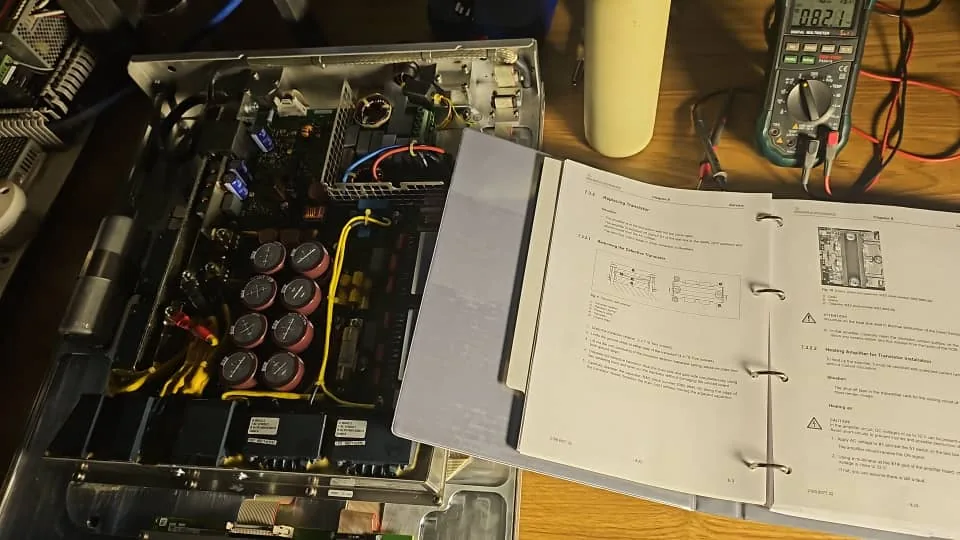
Similarly, power quality monitoring across manufacturing plants and large commercial facilities identifies harmonic distortion, voltage sags, and poor power factor before sensitive production machinery is damaged. For facilities experiencing severe mechanical breakdown or circuit board failures on heavy machinery, pairing IoT analytics with expert industrial repair services keeps complex production lines running at high efficiency.
Implementation Strategies and Platform Evaluation
Selecting the right IoT remote monitoring software requires balancing short-term deployment speed against long-term operational costs and architectural flexibility.
When evaluating potential platforms, use this step-by-step assessment roadmap:
- Audit Your Physical Asset Base: Catalog your field hardware, including sensor types, communication interfaces (RS-485, Ethernet, analog loops), and existing control systems.
- Determine Connectivity Realities: Identify the network constraints of your installation sites. Are you operating on reliable fiber, intermittent 4G/5G cellular, high-latency satellite, or off-grid radio links?
- Verify Open Architecture and API Support: Confirm that the software platform provides documented, open REST and WebSocket APIs. Ensure you can export your raw time-series data without hidden fees or vendor lock-in.
- Assess Edge Processing Capabilities: Check whether the system can run custom rules and local edge logic to filter telemetry and automate local control loops during network dropouts.
- Run a Phased Pilot Deployment: Test the software on a small, representative cluster of assets (5 to 10 nodes) across your most challenging operational sites before committing to a full rollout.
Selecting the Right IoT Remote Monitoring Software for Enterprise Scale
For organizations managing mission-critical infrastructure, a platform must support multi-tenant administration, granular user permissions, and custom reporting templates tailored to your industry.
Verify whether the software vendor supports hybrid deployment models—giving you the flexibility to host telemetry dashboards in a public cloud, a private sovereign data center, or an on-premise industrial server depending on regulatory and security mandates.
Frequently Asked Questions About IoT Remote Monitoring
How does IoT remote monitoring software reduce operational bandwidth and cellular data costs?
IoT monitoring software optimizes bandwidth by moving routine processing to edge gateways. Instead of continuously streaming raw sensor readings over cellular connections, the edge device processes data locally and transmits only summary statistics, state changes, or threshold violations. Combined with efficient payload compression and binary protocols like MQTT, this edge-first approach can cut cellular data consumption by over 80% compared to legacy polling architectures.
Can IoT remote monitoring platforms integrate with existing legacy PLC and SCADA infrastructure?
Yes. Modern IoT platforms do not require you to rip and replace working infrastructure. By deploying industrial edge gateways, the platform translates legacy communication protocols—such as Modbus RTU running over RS-485 serial loops or legacy PLC register sets—into modern, encrypted MQTT or HTTPS data streams. This lets you extract telemetry from decades-old machines and view it alongside modern cloud-native sensors in a single dashboard.
How do modern platforms secure bi-directional remote control commands sent to field assets?
Security for bi-directional remote control relies on multiple protective layers:
- Mutual Authentication: Both the edge controller and the cloud platform authenticate each other using unique cryptographic x.509 certificates.
- Encrypted Command Queues: Commands are transmitted across end-to-end encrypted TLS tunnels and queued securely, preventing unauthorized packet tampering or replay attacks.
- Role-Based Authorization & Multi-Factor Verification: Critical control actions (such as breaker trips, setpoint changes, or valve operations) require verified operator privileges and two-step confirmation.
- Immutable Audit Logging: Every command dispatched to a field device is permanently logged with user identity, timestamp, and machine response confirmation to ensure complete accountability.
Conclusion
Scalable IoT remote monitoring software transforms modern industrial operations. By bridging physical assets, edge computing, and cloud analytics, organizations can eliminate operational blind spots, prevent costly downtime, and orchestrate complex equipment fleets from anywhere in the world.
Whether you are retrofitting legacy machinery, deploying distributed renewable energy assets, or managing critical utility networks, building a resilient architecture requires deep engineering expertise across circuit boards, firmware, and software layers.
Discover how we can help you build, deploy, and maintain robust connected systems with our comprehensive suite of end-to-end engineering and IoT services.