Grow Zambia runs on machines. We keep them running.
At his inauguration on 1 September 2026, President Hakainde Hichilema set out the Grow Zambia Agenda: a five-year programme summed up in eight numbers, "10-10-5-3-3-1-1-1". As publicly reported, they stand for 10 million tonnes of maize, 10,000 megawatts of electricity, 5 million tourist arrivals, 3 million tonnes of copper, 3 million tonnes of soya, 1 million tonnes each of wheat and sugar, and US$1 billion of beef exports a year.
On 26 October, Brilliant Habeenzu, Permanent Secretary at the Ministry of Technology and Science, urged innovators, technologists and investors to align their work with the agenda, saying government cannot deliver the digital agenda alone and needs private investment, research and technical expertise. This is our answer: where HERO Control Systems fits, and, just as plainly, where it does not.
We don't grow maize or mine copper
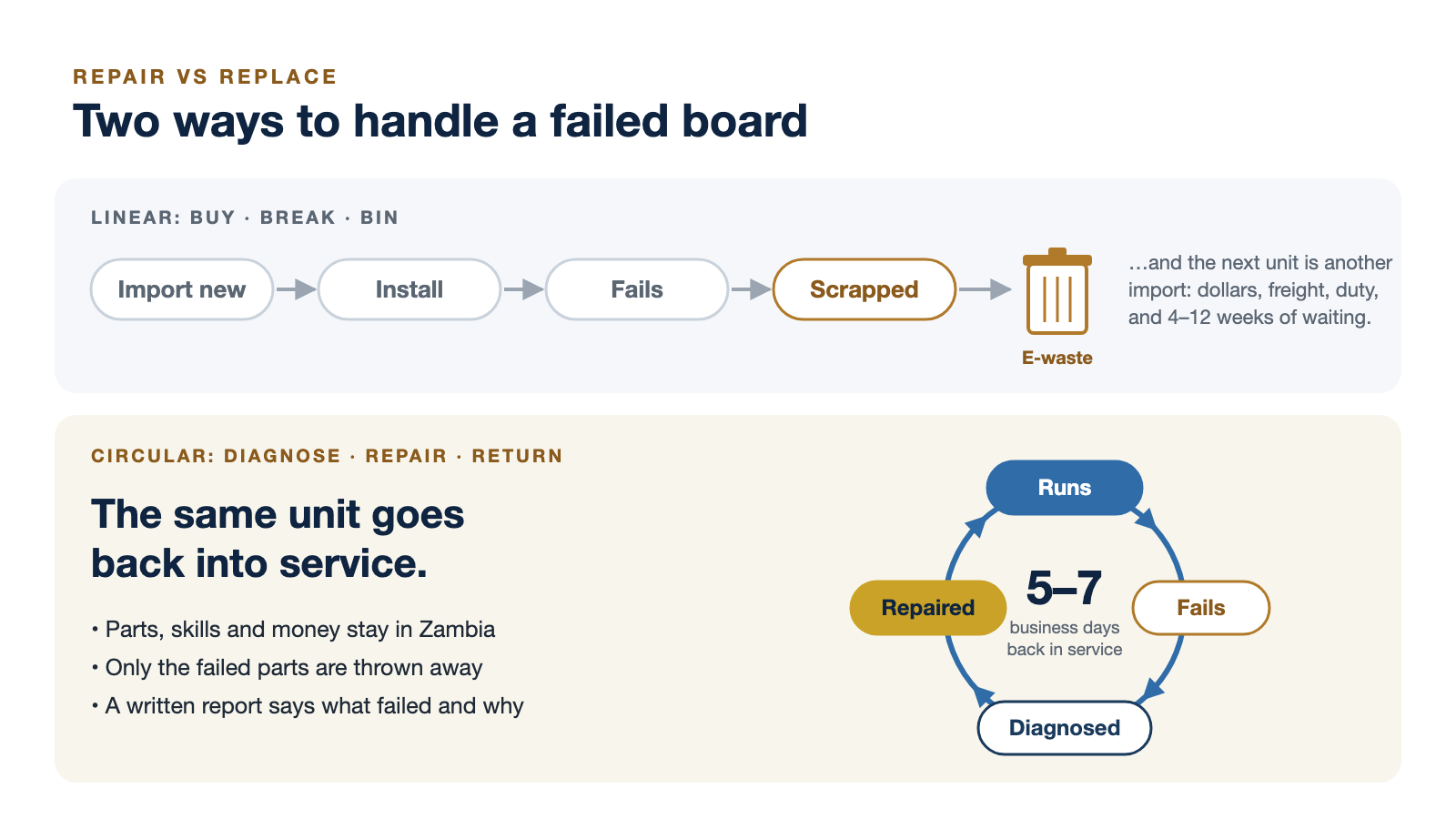
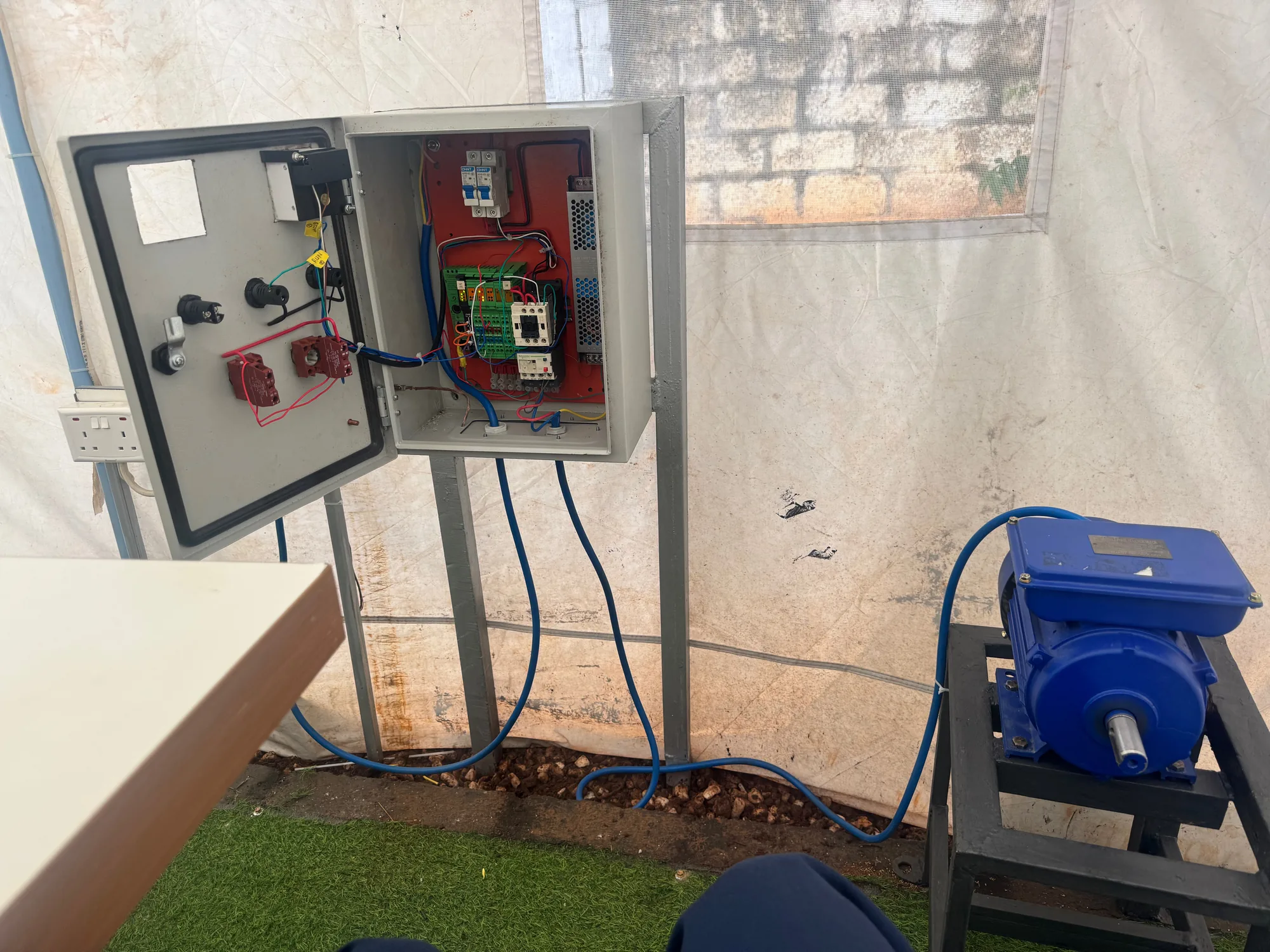
We keep running the machines that do. Every production target on that list depends on equipment: mills, irrigation and water pumps, process plants, mine drives, power plants and inverters. That equipment is controlled by electronics. In Zambia, when those electronics fail, the replacement has usually come from abroad, in dollars, after weeks of waiting. A mill that stands idle for a month loses a month of output, however good the harvest was.
Keeping production running
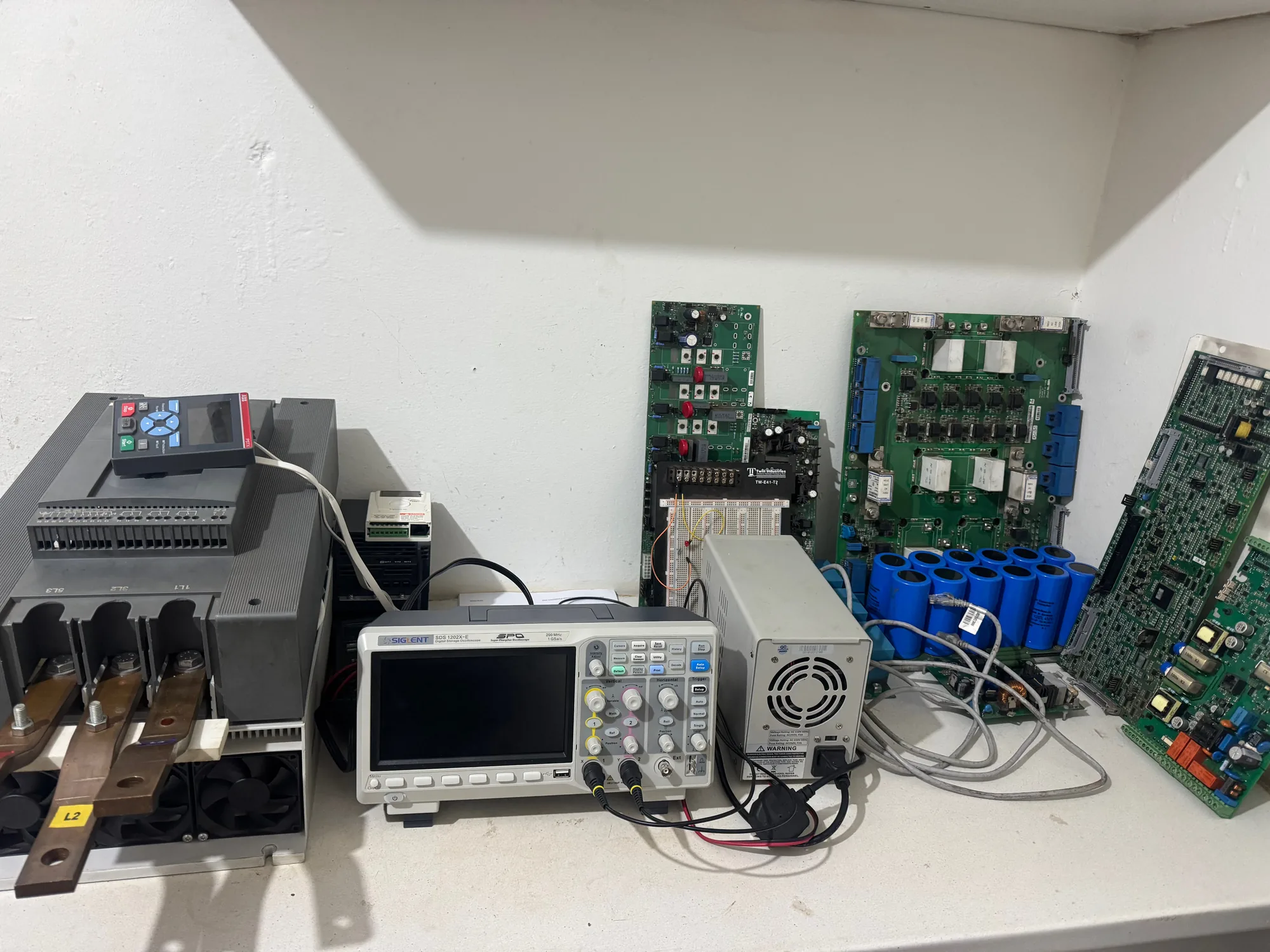
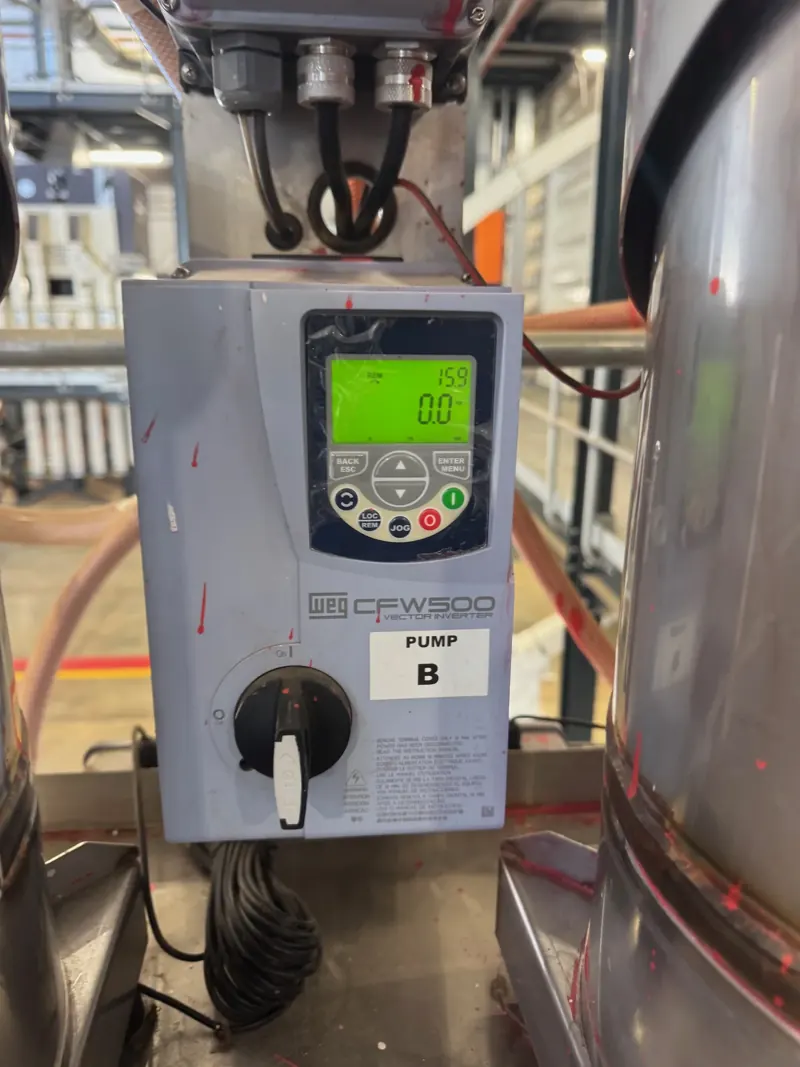
Our Travis Labs workshop in Lusaka repairs the variable frequency drives, soft starters, PLCs and control boards that run mills, pumps and process plants. We work at component level, and every unit leaves with a written report. That work has included weekly repairs for National Milling and Crown Millers, drives and pumps serviced at a Bayer facility, PLC programming and filler calibration at a government fruit-juice plant, and reverse-osmosis plant automation.
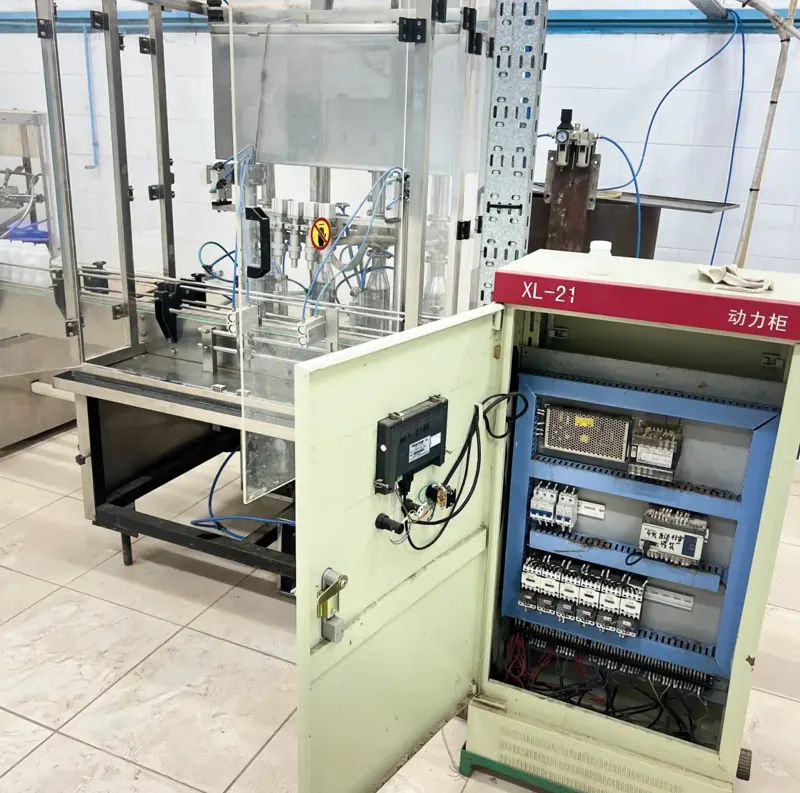
Mapped against the targets, that work looks like this:
- Maize, wheat and sugar: mills and process plants run on the drives, soft starters and PLCs we repair and program.
- Copper: mines run on the same families of drives, soft starters and control boards. We work from Lusaka with a presence on the Copperbelt. See our mining work.
- Water for towns and farms: pumps depend on the same control electronics. At Lusaka Water, when a pump-station control card was discontinued worldwide, we designed and built the replacement in Lusaka. It has run since February 2026 with zero failures. Read how.
We also inspect live equipment with thermal imaging, finding loose connections and overheating parts before they turn into shutdowns.
Electronics for 10,000 megawatts
More generation means more inverters, battery storage, solar controllers and protection electronics in the field, and every one of them needs people who can install, diagnose and repair it. We design battery management electronics, repair UPS systems and inverters, install solar and battery storage, and teach solar and energy storage in our training programmes. With electric vehicles now arriving under government's directive, the same battery and power-electronics skills will be needed for fleets too. See our EV and lithium battery service.
Making electronics in Zambia, and exporting them
Analysts describe the agenda's through-line as export-led growth. Electronics are not one of the eight numbers, but they are a non-traditional export Zambia can make. We design printed circuit boards and firmware in Lusaka. Control boards we design ship every month to a client in Texas, USA, and we have delivered work for JCHX Mining in Botswana. When an original manufacturer discontinues a part, we design the replacement here, instead of the country importing a whole new machine.
Skills: people who build, not only operate
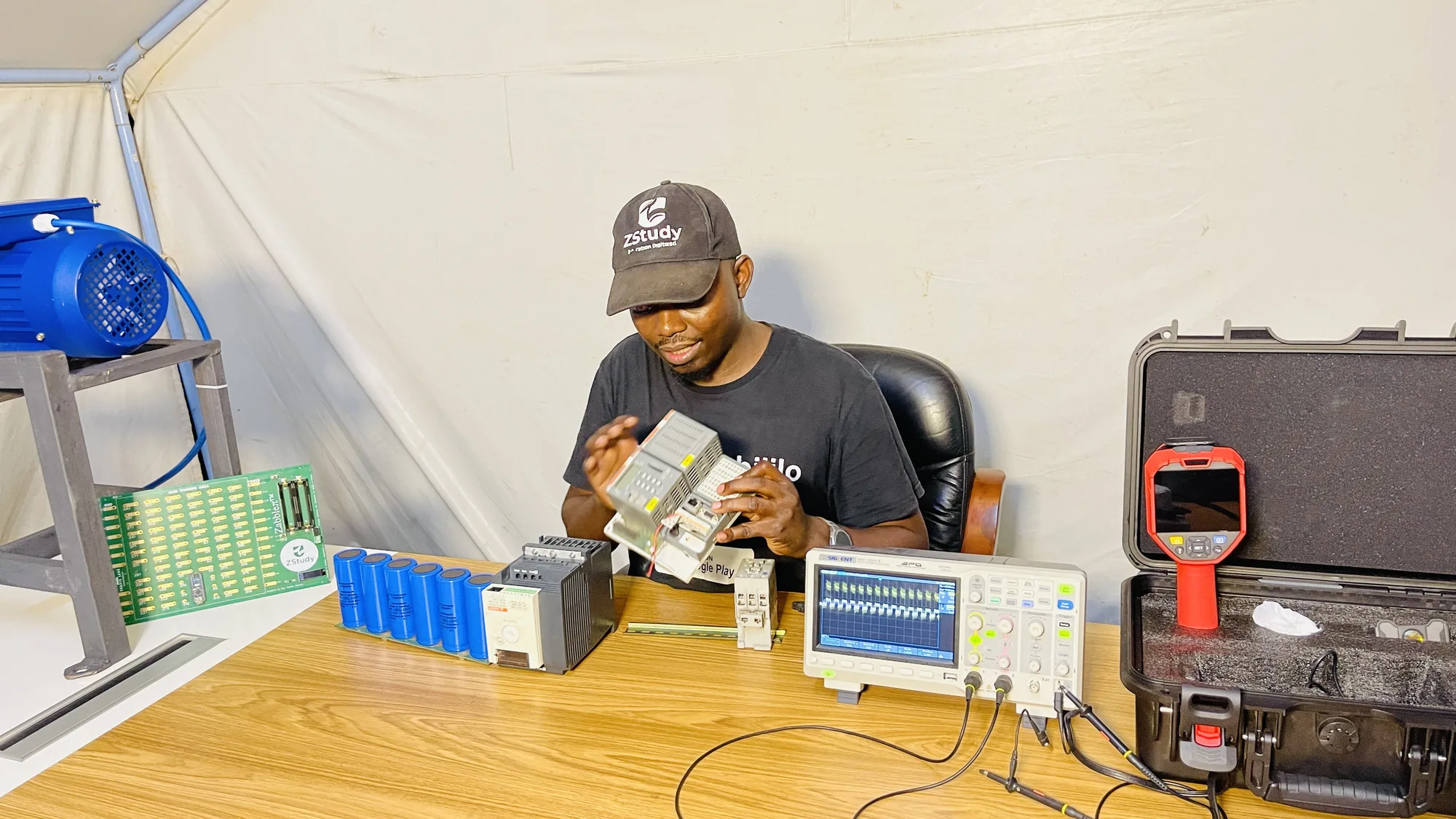
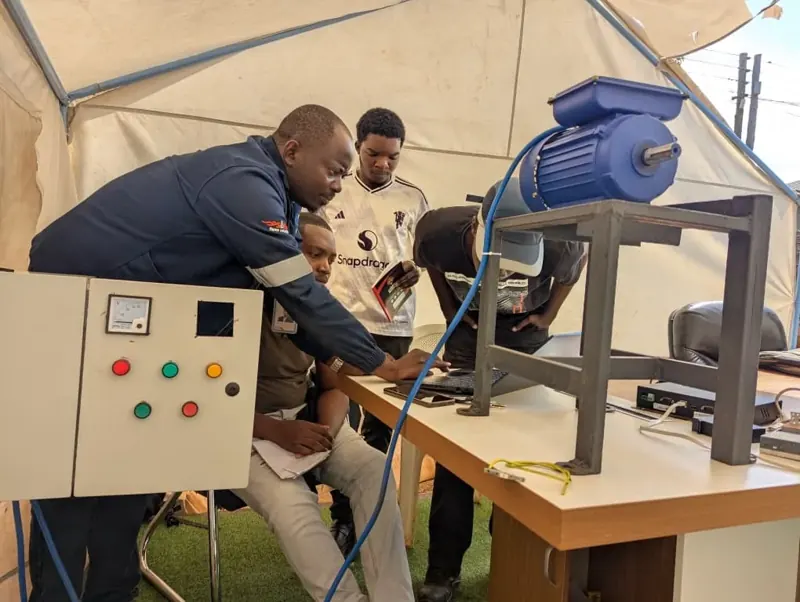
Machines need technicians. Our training division has trained more than 300 engineers and technicians in PLC programming and automation, electronics, thermal imaging and energy storage, on real hardware, and TEVETA accreditation of our courses is in progress. Zabble, our STEM and electronics kit designed and made in Zambia, is built for colleges, TEVET institutions and universities, so that trainees learn to make electronics and not only to use them. Our earlier programme, ZStudy, put kits in 57 schools and won the 2022 Genius Zambia award for the most innovative STEM solution.
Software for the businesses that grow
Small and medium enterprises will carry much of the growth the agenda asks for, and they need to run well. O'Sense, our operations software, gives Zambian SMEs seven apps under one login, from payroll to sales operations. It follows Zambian statutory rules, works offline and talks to teams on WhatsApp.
Where we don't fit
Tourism, soya and beef are outside our work, and we will not claim otherwise. Our part of Grow Zambia is narrower and practical: keep the machines behind the targets running, make more of their electronics here, and train the people who will do that work next.
If you run a mill, a mine, a water utility, a power project or a college, and want to talk about how we can support your part of the agenda, call or WhatsApp +260 974 546 632 or email sales@hcsys.co. More on industrial repair and training.