Replacement Circuit Boards in Zambia: Locally Designed Options for Discontinued Parts
Finding Replacement Circuit Boards in Zambia
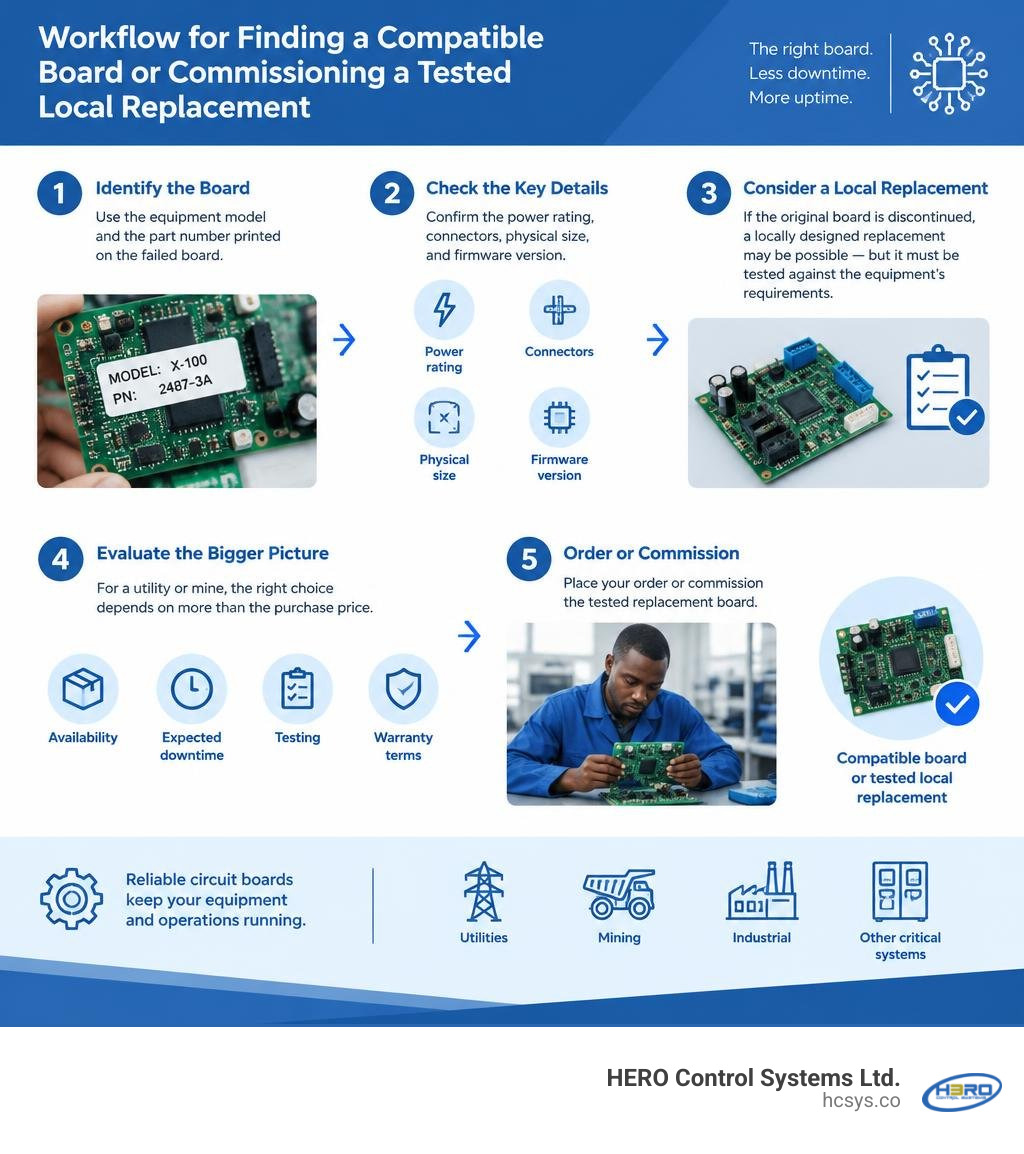
To find replacement circuit boards, start with the equipment model and the part number printed on the failed board. Before buying, confirm the power rating, connectors, physical size, and firmware version. If the original board is discontinued, a locally designed replacement may be possible, but it must be tested against the equipment's requirements.
For a utility or mine, the right choice depends on more than the purchase price. Check availability, expected downtime, testing, and warranty terms before placing an order or commissioning a replacement.
I'm Eng. Cephas Kalembo, founder and CTO of HERO Control Systems Ltd. My work in PCB design, embedded firmware, and industrial electronics repair informs this guide to replacement circuit boards.
Common Types and Applications of Replacement Circuit Boards
Circuit boards serve as the central nervous system for virtually every piece of powered equipment across domestic, commercial, and heavy-industrial environments. When these control centers fail, entire operations come to an abrupt halt. Sourcing the right replacement board requires understanding the functional category of the host machine and the specific electrical demands placed upon it.
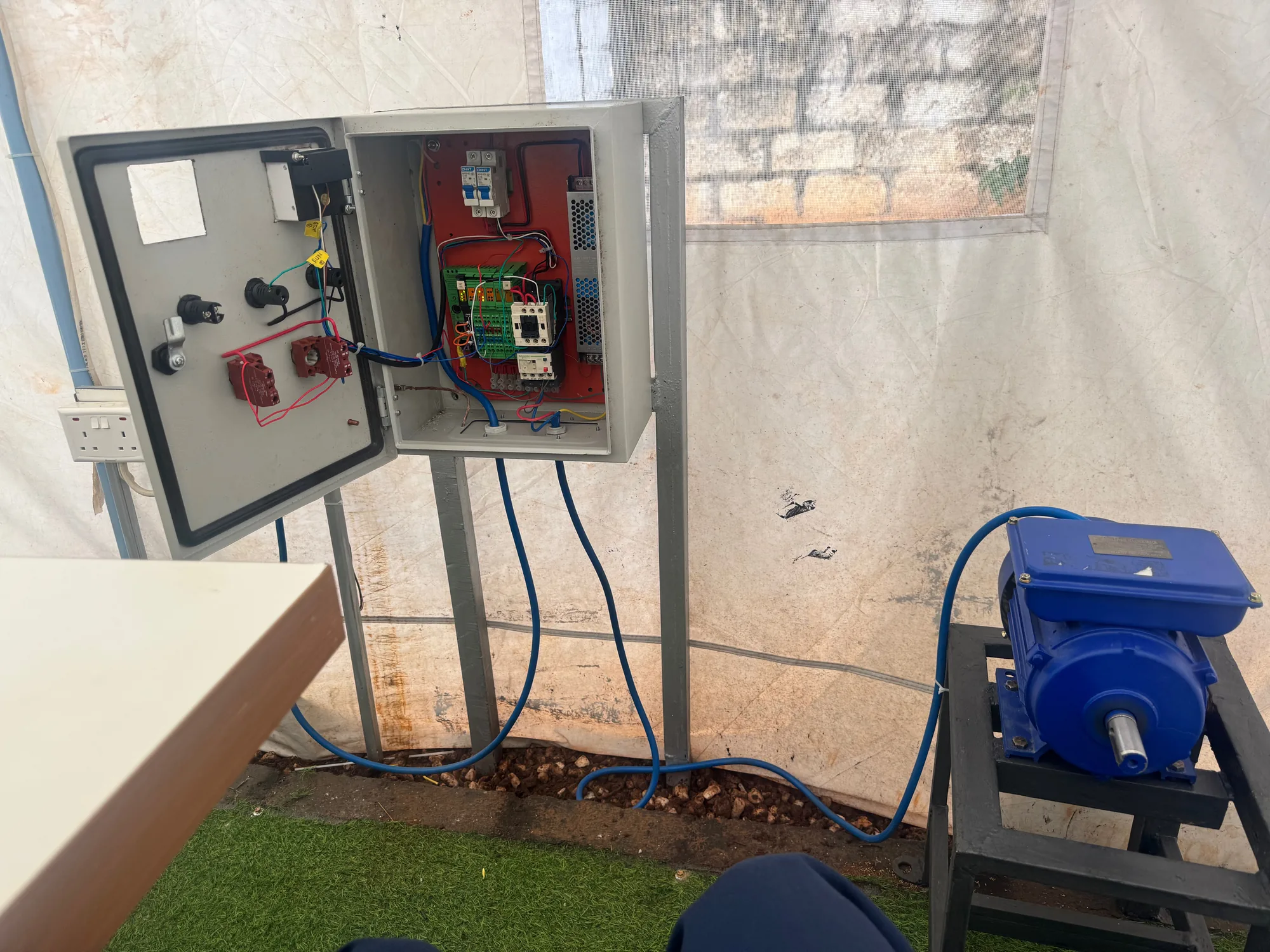
- Industrial Automation and Heavy Machinery: In continuous manufacturing, mineral processing, and automated assembly, specialized electronics manage heavy electromechanical loads. Common replacements include programmable logic controller (PLC) processor boards, discrete input/output (I/O) modules, soft-starter control modules, and variable frequency drive (VFD) firing boards. Industrial environments demand hardware designed to withstand intense mechanical vibration, ambient dust, and severe thermal cycling.
- Uninterruptible Power Supply (UPS) Systems and Power Electronics: Critical facilities like server rooms, hospitals, and processing plants rely on uninterruptible power systems. Essential board categories within these units include main inverter control boards, rectifier circuit assemblies, auto-bypass switching PCBs, and web/SNMP network communication modules. In high-power installations, rectifiers and inverters switch substantial currents continuously, leading to component fatigue over years of service.
- Elevator and Escalator Controllers: Vertical transportation platforms depend on specialized logic for motor regulation, dispatching, and door interlocks. Typical replacements involve main elevator dispatch processors, autowalk safety supervisory boards, and motor control PCBs for automated door opening systems.
- Gate Access Controllers and Security Systems: Commercial security barriers, swing gates, and phone entry systems rely heavily on integrated motherboards. These boards orchestrate safety loop detectors, optical sensors, keypads, and motor directional relays. Because these systems are deployed outdoors, they face continuous exposure to lightning-induced grid surges and environmental moisture.
- Garage Door and Light Commercial Openers: Standard commercial and residential door operators use dedicated DC logic boards to manage travel limits, safety photo-eyes, remote receiver decoding, and wall-console signaling.
- Legacy RF and Audio Amplifiers: Older communications hardware, broadcast equipment, and radio-frequency amplifiers depend on planar power boards, driver assemblies, and discrete biasing circuits. Maintaining this legacy equipment requires replacement boards that preserve exact impedance matching and radio-frequency characteristics.
Understanding the principles behind circuit board layout and signal routing is essential for evaluating these boards. Foundational coursework like the Multilayer Printed Circuit Board PCB Design program at the University of Zambia highlights how critical trace clearance, thermal dissipation, and layer stack-ups are to the operational life of any circuit assembly.
Identifying Compatibility and Board Specifications
Purchasing a circuit board that looks identical to your damaged unit does not guarantee that it will work. Minor revisions across manufacturing years can introduce altered pinouts, incompatible control firmware, or changed voltage tolerances that can damage connected components.
Before placing an order or commissioning a custom redesign, compile an exact engineering profile of the failed board:
- Part Number and Revision Suffix: Locate the silkscreened part number stamped directly onto the surface of the PCB. Pay close attention to revision numbers (such as Rev A, Rev N02, or R4.S). Revision updates often indicate altered logic thresholds or different component packages.
- Firmware Version and Microcontroller Architecture: Modern control boards rely on onboard microcontrollers running proprietary firmware. A replacement board must carry firmware compatible with your existing peripheral sensors, user consoles, and expansion cards.
- Operating Voltages and Inrush Tolerances: Document the board's supply input requirements—such as 24V DC, 120V AC, or 400V 3-phase auxiliary—and verify onboard regulation rails (such as 3.3V, 5V, or 12V DC).
- Physical Form Factor and Mounting Geometry: Measure external dimensions, corner cutouts, standoff mounting holes, and clearance depths. A replacement must seat securely inside the original chassis without mechanical stress.
- Connector Types, Pitches, and Pinouts: Check whether the board uses screw terminals, card-edge connectors, or locking wire harnesses. Ensure the pinout assignments match your existing wiring loom exactly.
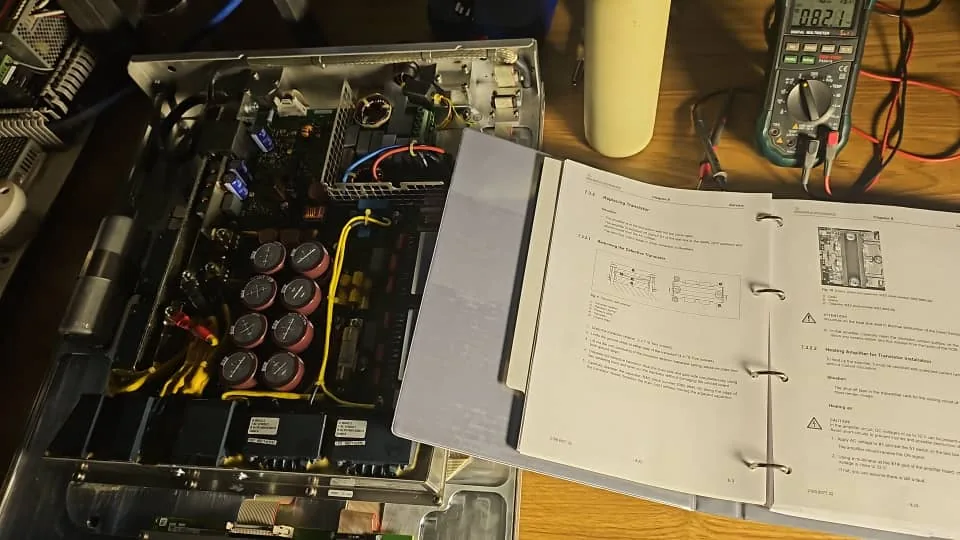
When original technical documentation is missing or a board is damaged beyond basic recognition, utilizing professional industrial repair services helps extract accurate pinout diagrams, test onboard power traces, and map control lines to identify the exact electrical profile needed for a functional replacement.
Cost Ranges and Sourcing for Replacement Circuit Boards
The global marketplace for circuit boards spans a broad spectrum of pricing, driven by design complexity, safety certifications, and supply chain rarity.
- Small Consumer and Utility Hardware: Basic utility circuit boards—such as speed controllers for electric utility carts or small consumer motorized equipment—frequently retail between $35 and $70.
- Access Control and Gate Operators: Gate opener motherboards, bypass control boards, and multi-tenant telephone entry modules typically range from $100 to over $1,200, depending on access capacity and integrated surge suppression.
- Garage Door Logic Assemblies: Standard residential and commercial door opener logic boards generally sell between $120 and $180.
- Power Protection and UPS Modules: Replacement network management cards, inverter driver boards, and rectifier controller PCBs for facility-grade UPS infrastructure typically range from $50 for basic telemetry cards to $300 to $900 for high-capacity inverter and power control modules.
- Heavy-Industrial Automation and Elevator Controls: Certified OEM control modules from major automation and elevator manufacturers represent significant investments. High-reliability motor drive controllers, soft-starter logic cards, and escalator processors often range from $500 to well over $2,750 per board.
For organizations operating in Zambia and across Sub-Saharan Africa, international part pricing represents only a portion of the true cost. Importing replacement boards introduces overseas freight charges, statutory import tariffs, clearance delays, and supply chain lead times that can span weeks or months. When machinery sits idle, lost production revenue can quickly exceed the purchase price of the board itself.
Sourcing Options: New, New Old Stock (NOS), and Preowned Hardware
When seeking a replacement board, buyers typically encounter three main categories of physical inventory alongside modern custom engineering alternatives. Understanding the strengths and trade-offs of each option ensures you select the most reliable path for your equipment.
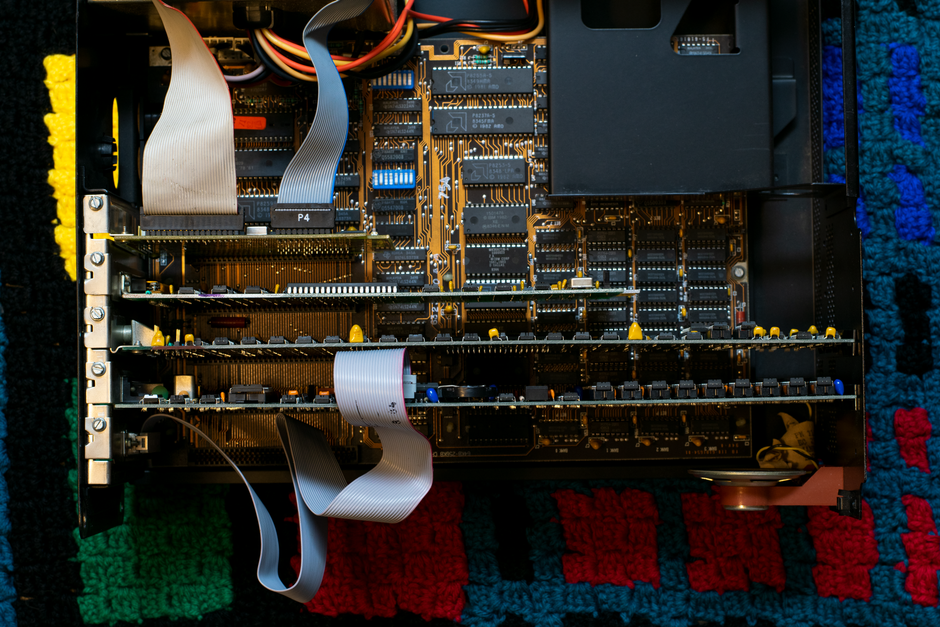
- New OEM (Original Equipment Manufacturer) Boards: These are factory-fresh boards produced directly by the original machine manufacturer or their authorized component vendor. They provide the highest certainty of direct compatibility and usually include standard manufacturer warranties. However, they come at premium price points, and their availability ends once a manufacturer declares a product line obsolete or enters End-of-Life (EOL) status.
- New Old Stock (NOS): NOS refers to surplus boards manufactured years or decades ago that were never put into active service. These parts typically remain in their original factory packaging. While NOS inventory offers original factory specifications for discontinued machinery, it carries hidden risks. Components containing liquid electrolytes, particularly aluminum electrolytic capacitors, degrade chemically over time even when stored on a shelf. An NOS board stored for ten or fifteen years may suffer dielectric breakdown or high equivalent series resistance (ESR) upon initial power-up.
- Preowned and Salvaged Hardware: Preowned boards are harvested from decommissioned machinery, tested, and resold. While they are often the lowest-cost option for legacy equipment, their remaining service life is unpredictable. They may have absorbed years of thermal stress, electrical noise, or sub-optimal operating conditions before removal.
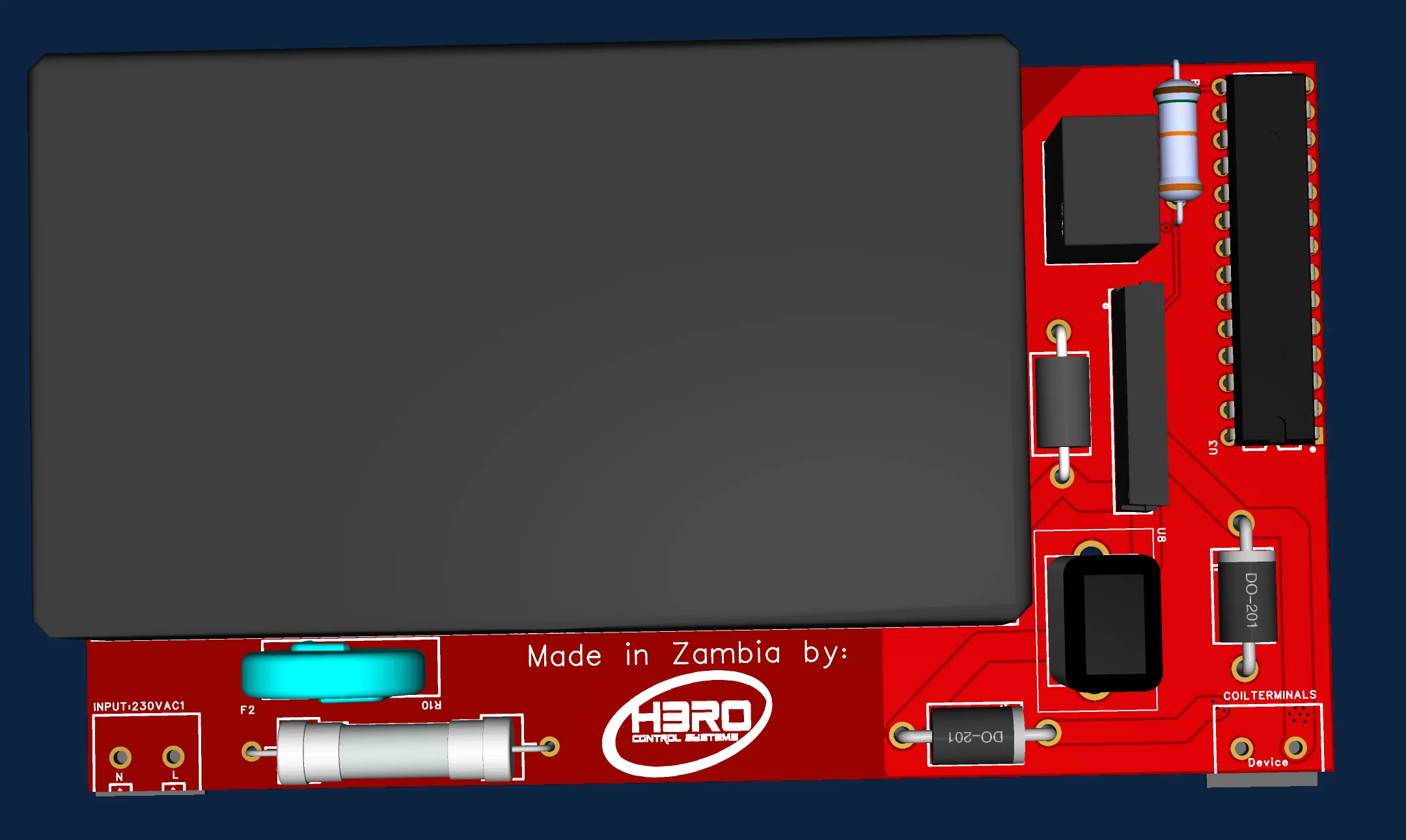
- Locally Engineered Redesigns: When original replacement parts are discontinued or physically unavailable, reverse-engineering and locally redesigning the PCB provides a long-term solution. Modern surface-mount components replace obsolete through-hole parts, improving thermal performance, power efficiency, and surge resilience while maintaining full drop-in compatibility with existing machinery.
| Sourcing Option | Component Freshness | Availability for EOL Gear | Failure Risk Profile | Typical Lead Time in Zambia |
|---|---|---|---|---|
| New OEM | Factory fresh | Low to none (Active models only) | Very low | 2 to 6 weeks (Imported) |
| New Old Stock (NOS) | Degraded by shelf age | Sporadic / Finite surplus | Moderate (Capacitor drying, pin oxidation) | 3 to 8 weeks (Imported) |
| Preowned / Salvaged | High prior wear | Moderate in secondary markets | High (Unknown prior operating hours) | 2 to 6 weeks (Imported) |
| Locally Engineered Redesign | Brand new modern parts | Unlimited (Manufactured on demand) | Very low (Tested to local conditions) | Fast turnaround (Direct local build) |
Evaluating Repair vs. Local PCB Redesign in Zambia
When an essential circuit board fails, maintenance teams face a clear choice: repair the broken board, search for an elusive imported spare, or commission a local engineering redesign.
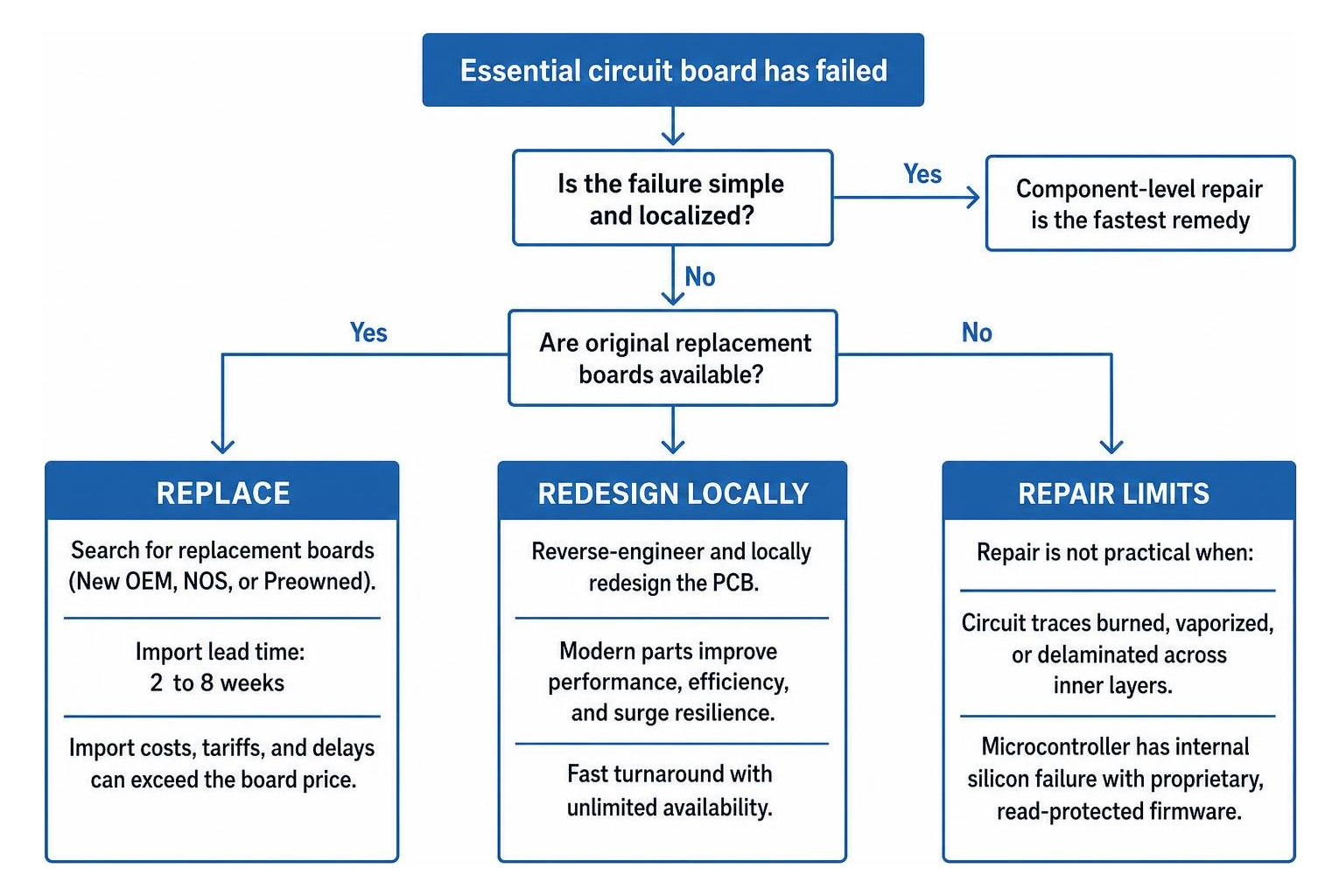
Component-level repair is often the fastest remedy for simple, localized failures. If a power surge has taken out an input rectifier, blown an onboard MOV (metal-oxide varistor), or swollen a filter capacitor, an experienced technician can desolder the failed part, clean the pads, and solder in a fresh component.
However, repair reaches its practical limits when:
- Circuit board traces have burned, vaporized, or delaminated across inner layers of a multilayer board.
- The original microcontroller has suffered internal silicon failure and contains proprietary, read-protected firmware that cannot be purchased off the shelf.
- The board relies on specialized integrated circuits (ICs) that are no longer manufactured anywhere in the global supply chain.
- Recurring thermal or electrical faults cause the board to break down repeatedly despite successive component swaps.
In these scenarios, engineering a drop-in replacement PCB provides a dependable path forward. By capturing the underlying schematics, mapping mechanical footprints, and programming modern microcontrollers to replicate the exact input/output logic of the original hardware, facilities can bypass obsolete supply chains.
Our team specializes in custom PCB design in Zambia, developing robust electronics matched to regional grid characteristics. Through our work delivering custom electronics design solutions, we help industrial clients modernise discontinued systems without replacing their entire mechanical infrastructure.
Quality Assurance, Testing, and Warranty Standards
Any replacement or redesigned circuit board must undergo rigorous quality assurance before being integrated into mission-critical systems. Industrial equipment demands strict adherence to testing standards to ensure long-term stability and personnel safety.
Essential quality validation processes include:
- High-Magnification Optical and Solder Inspection: High-density surface-mount devices (SMD) require multi-angle microscope inspection to verify solder joint integrity, ensure zero bridging on fine-pitch ICs, and confirm correct component alignment.
- In-Circuit and Automated Functional Testing: Before installation, circuit boards undergo automated signal validation to verify that internal voltage rails, analog input circuits, optoisolators, and switching transistors operate within defined electrical tolerances.
- Extended Burn-In Testing Under Thermal Load: Operating replacement hardware under continuous load for a minimum of 48 hours helps identify infant component mortality before final deployment. Testing boards under elevated ambient temperatures verifies that onboard power supplies and driver stages dissipate heat effectively.
- Standardized Warranty Backing: Industrial replacements should carry comprehensive warranty protection—ranging from standard commercial terms up to 12 months for comprehensive rebuilds—giving facility operators confidence in their long-term reliability.
Diagnosing, Installing, and Troubleshooting Circuit Failures
Proper diagnosis prevents installing a new board into a system with an unresolved upstream fault. Installing a replacement board without addressing the root cause of the initial breakdown can instantly destroy the new hardware.
Common Indicators of Circuit Board Failure
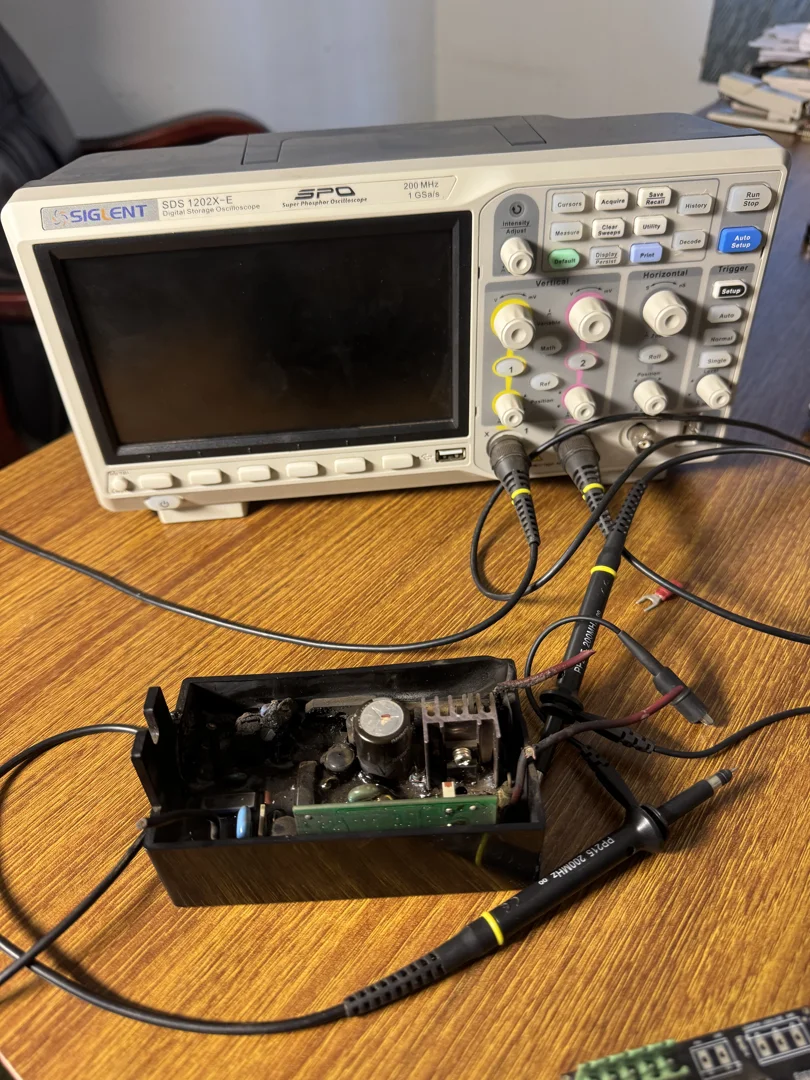
- Visual Thermal and Physical Damage: Scorched or discolored PCB areas indicate sustained overheating. Swollen, bulging, or leaking electrolytic capacitors point to dielectric breakdown, often caused by power surges or thermal fatigue.
- Blown Input Protection and Open Fuses: Repeatedly blowing power fuses upon startup signals an internal short circuit, commonly across bridge rectifiers, protection diodes, or power switching MOSFETs.
- Unresponsive Logic and Missing Auxiliary Rails: When primary supply voltages are present at the terminal block but onboard status LEDs remain dark, internal voltage regulators (converting supply voltage down to 5V or 3.3V DC logic levels) have likely failed.
- Intermittent Operation and Erratic Behavior: Equipment that trips unexpectedly or misinterprets sensor inputs often suffers from fractured solder joints, oxidation on connector pins, or high electrical noise on aging capacitor banks.
Best Practices for Installing Replacement Circuit Boards
- Verify Isolation and Lockout/Tagout (LOTO): Disconnect and physically isolate all electrical power sources upstream. Discharge large DC bus capacitors within power modules or motor drives using an appropriately rated power resistor before touching any internal wiring.
- Apply Electrostatic Discharge (ESD) Precautions: Modern CMOS ICs and microprocessors are sensitive to electrostatic voltages. Always wear a grounded ESD wrist strap and handle replacement boards strictly by their insulated edges.
- Document and Label All Wire Harnesses: Before removing the old board, photograph the assembly from multiple angles. Affix numbered labels to every terminal block, sensor lead, and ribbon harness to prevent miswiring during reassembly.
- Inspect Mounting Hardware and Standoffs: Clean the enclosure interior to remove conductive dust, swarf, or moisture. Ensure non-conductive standoffs, isolation washers, and thermal pads are installed correctly to prevent chassis ground shorts.
- Calibrate Mechanical Settings and Limit Controls: Once the board is mechanically mounted and wired, verify that all DIP switches, selector jumpers, and potentiometer dials match the original configuration. For garage door openers, gate controllers, and motor drives, perform complete open/close limit calibrations and safety obstruction tests as outlined in the manufacturer guidelines.
Post-Installation Troubleshooting Steps
If your replacement board does not operate as expected after installation, work through this systematic diagnostic sequence:
- Step 1: Check Inbound Power and Internal Voltage Rails. Use a calibrated digital multimeter to verify that input supply voltage is within rated specifications under load. Then, measure secondary test points on the PCB (such as +12V, +5V, +3.3V, and GND) to confirm internal regulators are operating.
- Step 2: Check Input Signal Indicators and Limit Switches. Check status LEDs corresponding to safety circuits, emergency stop buttons, optical beams, and limit switches. If an active-low safety circuit is open due to a loose wire, the board's logic will prevent motor or output actuation.
- Step 3: Test Relay and Output Switching. Check whether output relays click or solid-state switches energize when triggered. If the logic chip commands an output but no voltage appears at the output terminals, verify the external load circuit for downstream short circuits or open motor windings.
- Step 4: Check Communications and Clear Fault Logs. For intelligent industrial controllers and network-connected UPS boards, connect via terminal interface or diagnostic software to review active error codes and clear legacy memory registers.
Frequently Asked Questions About Replacement Boards
What are the main signs that a circuit board needs complete replacement?
A circuit board requires complete replacement when it exhibits structural or unserviceable electrical damage. Key indicators include:
- Deep carbonization or delamination of internal fiberglass layers, which creates conductive carbon paths that cannot be cleaned away.
- A short-circuit that has destroyed the main microprocessor or microcontroller, especially on legacy systems where proprietary firmware cannot be extracted or purchased.
- Generalized corrosion across fine-pitch surface-mount traces caused by water ingress, battery acid leaks, or industrial chemical exposure.
- Multiple, cascading component failures across diverse functional stages where localized repair costs exceed the value of a complete replacement board.
How can I replace a circuit board that has been discontinued by the manufacturer?
When an OEM declares a board obsolete and all inventory is exhausted, several engineering pathways remain:
- Commission a Drop-In Engineered Redesign: A specialized engineering firm can reverse-engineer the original PCB. By reading circuit traces, analyzing input/output response curves, and redesigning the layout using modern, readily available components, you obtain a brand-new board that fits the original chassis and connections.
- Search Verified Surplus or Recertified Exchanges: Locate specialized parts suppliers that stock tested New Old Stock (NOS) or recertified preowned assemblies.
- Upgrade to a Universal Controller: In select applications, such as basic gate operators or generic motor drives, modern universal conversion modules can replace the original proprietary electronics.
Is it better to repair an existing board or purchase a replacement?
The choice between repair and replacement depends on the extent of damage, part availability, and the financial impact of equipment downtime.
Modernizing Industrial Control Systems
Relying on aging, unsupportable electronics exposes industrial and commercial operations to sudden, costly downtime. When original equipment manufacturers discontinue critical control hardware, importing uncertain preowned spares across international borders is no longer your only option.
HERO Control Systems Ltd provides comprehensive engineering capabilities from our Lusaka base, bridging the gap between legacy machinery and modern electronics. We combine advanced PCB layout, custom firmware development, precision surface-mount assembly, and rigorous load testing to deliver reliable, locally engineered solutions for discontinued components.
To discuss your equipment challenges, explore custom replacement hardware, or restore critical machinery to peak performance, connect with our team through our end-to-end electronics engineering services.