In an EV battery, the electronics usually fail before the cells
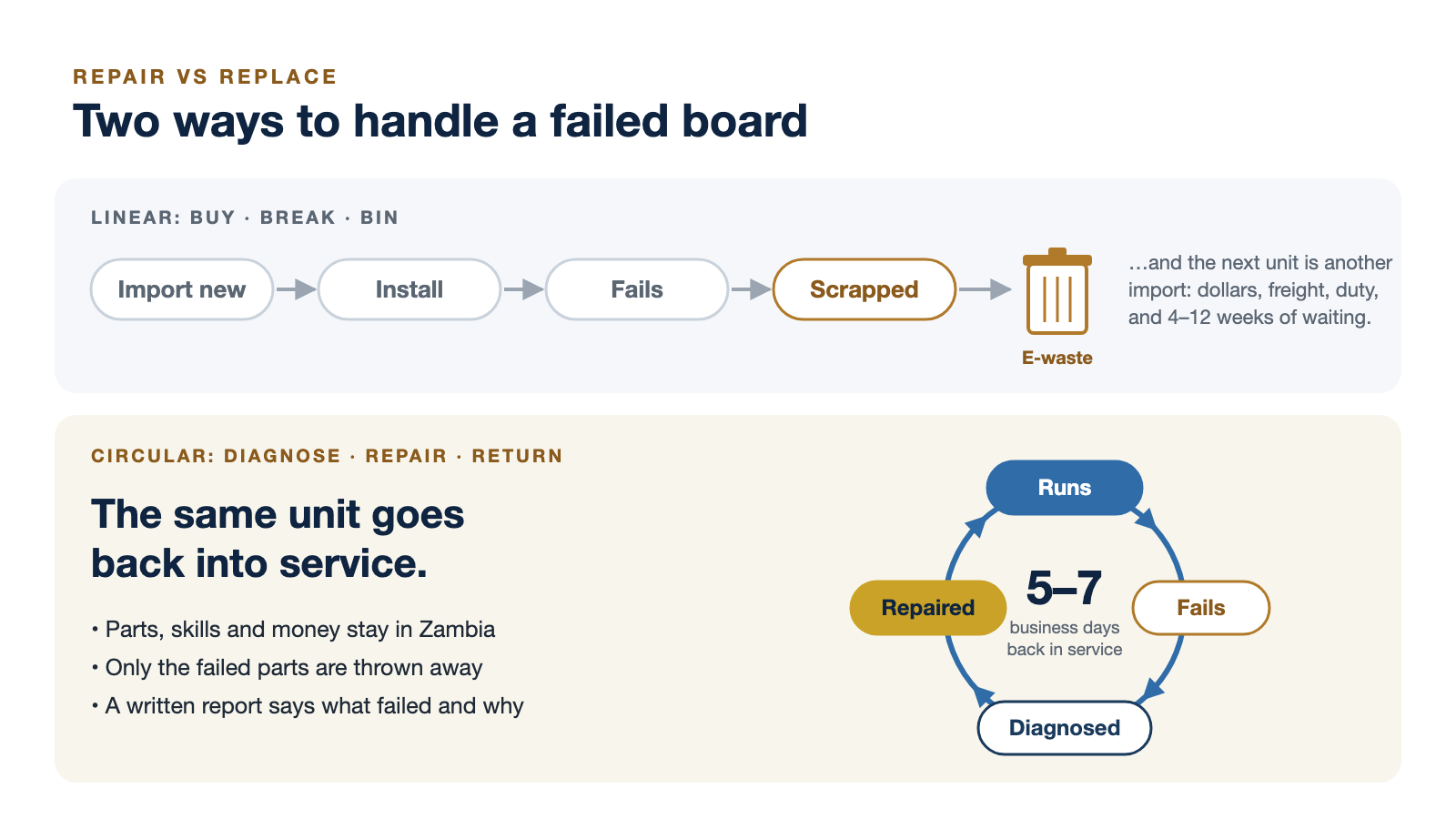
An electric vehicle's battery pack is usually its most expensive part, often a quarter to a third of the vehicle's value. For Zambian owners a replacement is also an import, with freight, duty and a 4 to 12 week wait. So when the dashboard shows a battery fault, the dealer's answer is predictable: replace the pack.
Often that is the wrong answer. A battery pack is not just a box of cells. It is cells plus a lot of electronics, and in most packs it is the electronics, not the cells, that fail first.
What is actually inside a battery pack
Take the cover off a traction pack and you find several systems working together:
- Cells, grouped into modules. They store the energy.
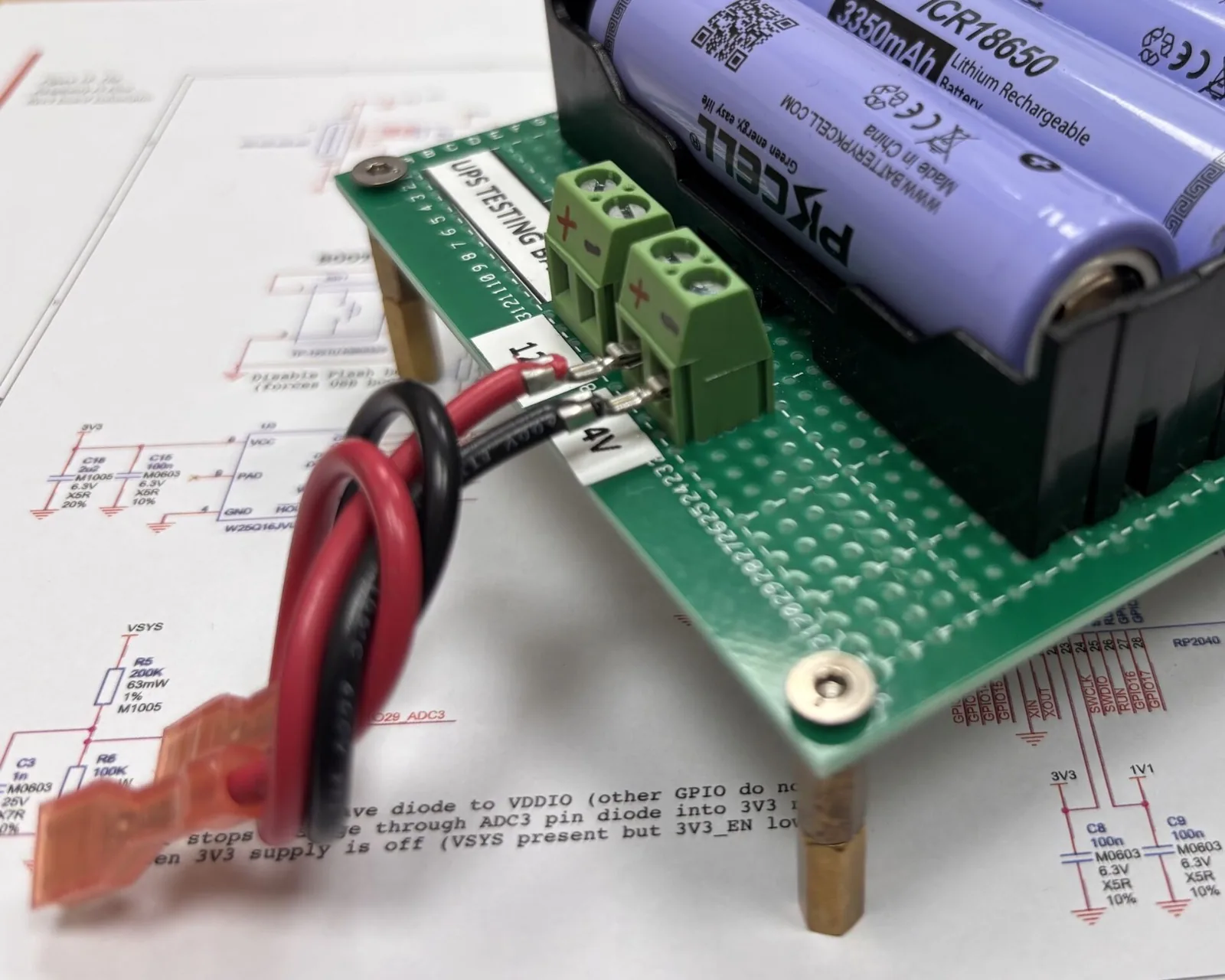
- The battery management system (BMS): circuit boards that measure the voltage of every cell group, read temperature sensors spread through the pack, balance the cells so they stay level, measure current, estimate the state of charge and report all of it to the vehicle over the CAN bus.
- Contactors and a pre-charge circuit, which connect the pack to the vehicle and protect it at switch-on.
- Fuses, bus-bars, connectors and wiring, carrying hundreds of amps and dozens of sensing signals.
- Cooling (fans, pumps or cooling plates) and insulation monitoring, which checks that the high-voltage system stays isolated from the chassis.
The cells are the part people think about. They are also the part that tends to last.
Why the electronics fail first
Lithium cells age slowly and predictably. A well-managed pack typically lasts many years and well over a hundred thousand kilometres, losing capacity gradually rather than failing suddenly. Heat, frequent fast charging and sitting at very high or very low charge all speed that ageing up, but it remains a slow process.
The electronics are a different story. A pack contains hundreds of small parts: sense wires, temperature sensors, balancing components, connector pins, contactor coils and the BMS boards themselves. They live with heat and vibration. On Zambian supplies, the chargers that feed them also see surges and switching transients, a leading cause of electronics failure here and the same mechanism that burns out the industrial control cards we repair.
When one of those small parts fails, the BMS does exactly what it was designed to do. If it cannot trust a cell voltage or a temperature reading, it assumes the worst and limits power or shuts the pack down. That is the safe response, but it means a broken sense wire or a failed temperature sensor looks, from the driver's seat, exactly like a dead battery.
So the faults we look for first are electronic and electrical:
- a failed temperature sensor or a broken cell-sensing wire
- a fault on a BMS board: the monitoring chip, a balancing circuit, its power supply or its communication
- a loose, corroded or overheated bus-bar or connector
- a contactor or pre-charge fault
- an isolation fault between the high-voltage system and the chassis
- a cooling fault: a failed fan or pump, or a blocked thermal path
- and only then, a single weak cell group or module dragging the whole pack down
What a proper diagnosis looks like
Condemning a pack should be the conclusion of a diagnosis, not its first step. Before anyone quotes for a new pack, these checks should be done and written down:
- Read the BMS fault codes and history through the vehicle's diagnostic connection or CAN bus.
- Measure the voltage and temperature of every cell group. One group well away from the rest points to a cell problem. A reading that is impossible, such as zero or far out of range, points to a sensor or wiring fault.
- Test the insulation resistance of the high-voltage system.
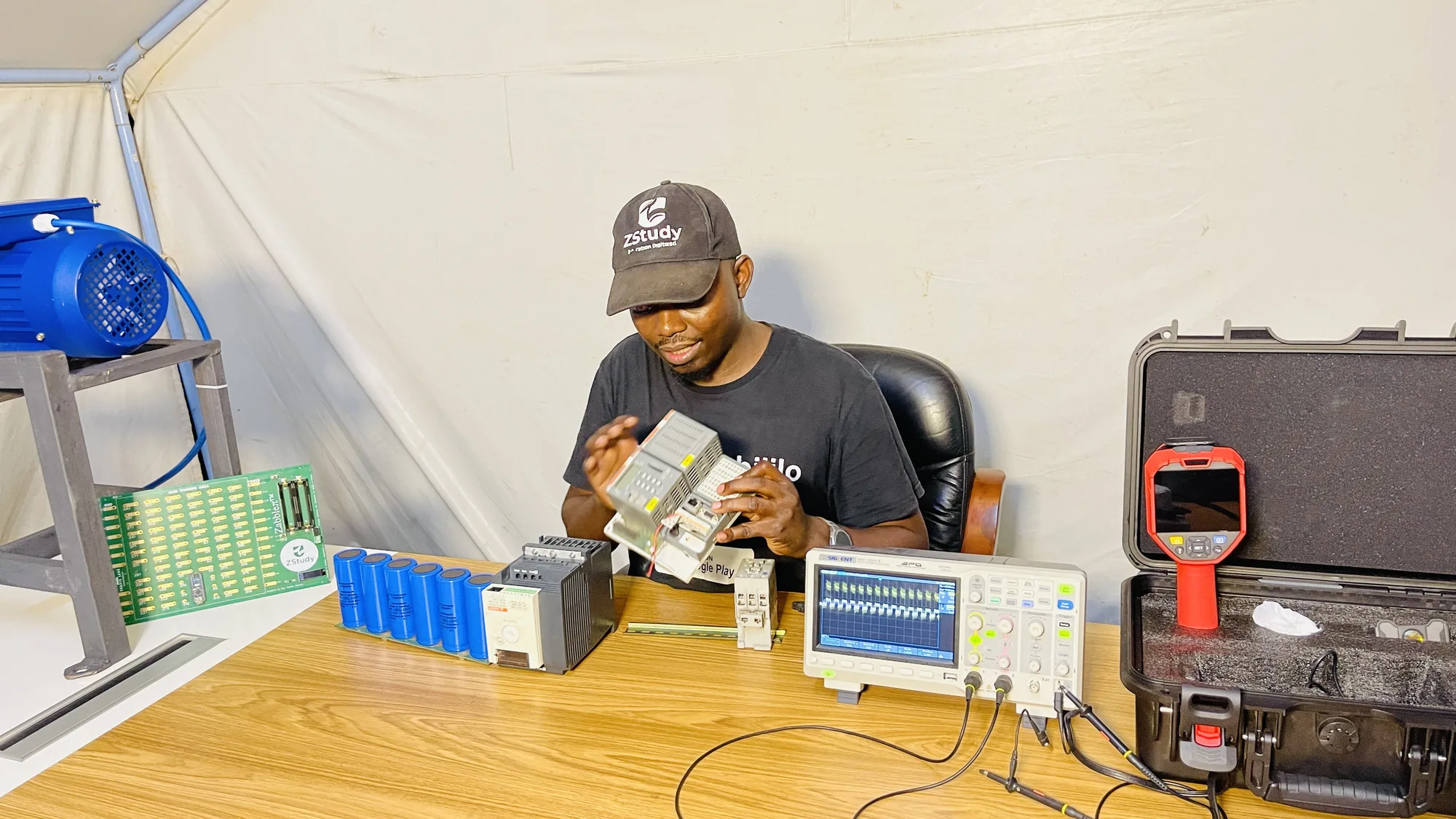
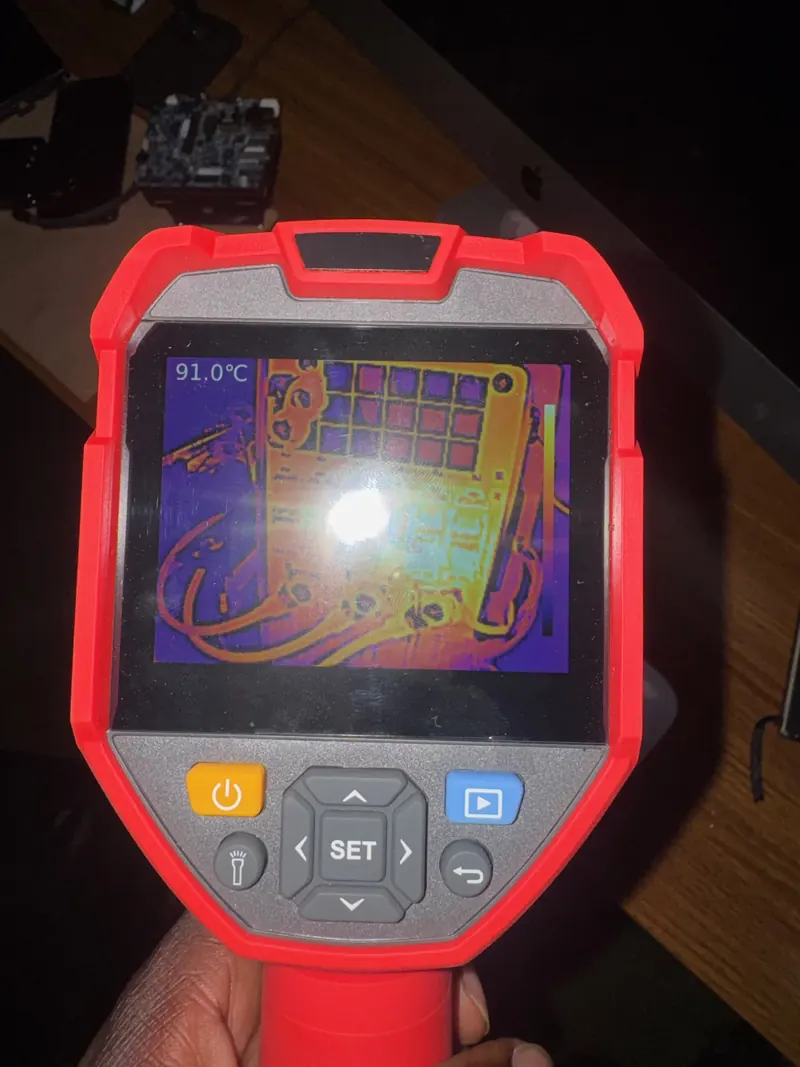
- Look for heat with a thermal camera while the pack is working. Connections and bus-bars that run hot are on their way to failing.
- Measure the capacity to get the real state of health, instead of trusting an estimate.
The results decide the repair. A sensor, a connector or a BMS board can be repaired or replaced. A weak module can be replaced and the pack rebalanced. Only when the cells themselves are genuinely worn out is a new pack the right answer, and then the test report says so plainly.
Why this matters for fleets in Zambia
Since the government's electric-vehicle directive of 9 October 2026, institutions and companies have started planning EV fleets. Buying the vehicles is the easy part; keeping them running is the hard part. If every battery fault turns into an imported pack, the running cost of the fleet is set by a dealer's price list and a shipping schedule.
Three practical steps:
- Before buying a used EV, have the pack tested: state of health and a BMS fault scan. The battery is most of what you are paying for.
- Before buying a fleet, settle who will service the battery and power electronics locally, and what happens when a pack or inverter fails out of warranty.
- Before accepting a "replace the pack" quote, ask for the fault codes, the cell-level readings and the insulation test. If nobody can show you those, nobody has diagnosed the pack.
Where HCS fits
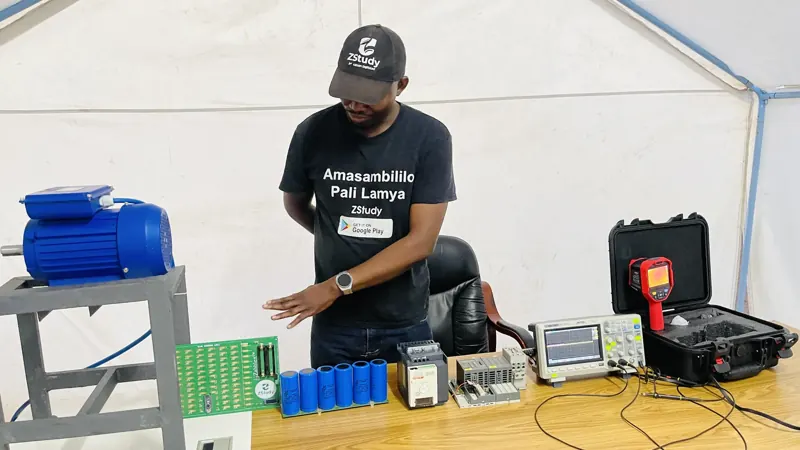
Zambia's EV fleet is new, so no one here has a long EV service history, and we will not pretend otherwise. What EV service needs is the underlying capability. We design battery management electronics ourselves (cell monitoring, balancing, protection, and CAN and RS-485 telemetry), so we read the fault instead of condemning the pack. An EV's traction inverter, on-board charger and DC-DC converter belong to the same families of power electronics as the industrial drives we repair every week.
Every repair comes with a written report per unit and a 6-month workmanship warranty, and standard turnaround is 5 to 7 business days. See our EV and lithium battery service, battery energy storage and thermal imaging inspections, or send the fault codes and a photo of the pack label on WhatsApp to +260 974 546 632.