
EV high-voltage system diagnostics and isolation-fault testing in Zambia
Isolation faults, HV cabling, contactors and junction boxes traced section by section with insulation testing and thermal imaging — the fault class that strands an EV with no obvious cause.
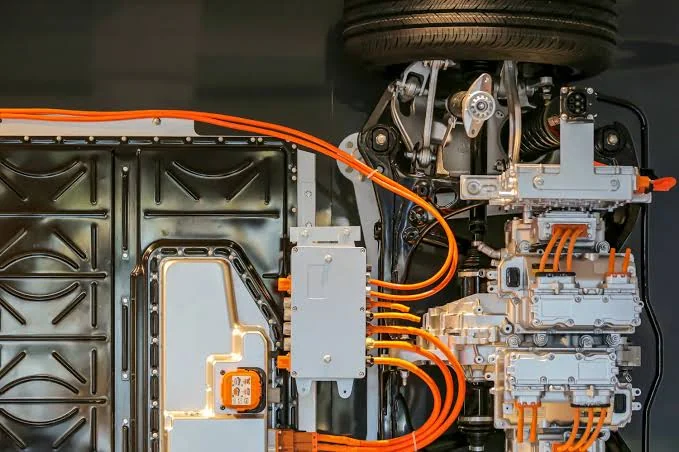
What we diagnose
Isolation and earth faults, HV cable and connector damage, junction box and contactor failures, pre-charge circuit faults, HV interlock loop breaks, and insulation degradation from heat, vibration or water ingress.
How we trace it
Insulation-resistance testing section by section — pack, cabling, inverter, charger, compressor — with thermal imaging under load and power-quality measurement where the fault appears only when charging.
Why this matters in Zambia
Dust, heat, vibration on poor roads and surge-prone charging supplies all attack insulation and connectors. These are the conditions our industrial practice already works in.
Safety and competence
High-voltage work demands isolation procedure, correct instrumentation and people trained to use both. Our training division already teaches HV safety, lithium packs and power electronics, and can train your technicians on your own equipment.
Questions we are asked
My EV shows an isolation fault. Can you find it?
Yes — insulation-resistance testing section by section isolates which subsystem is leaking, rather than replacing parts in sequence.
Can you test a vehicle after water ingress or an accident?
Yes: insulation testing, connector and cabling inspection and thermal imaging of the pack and HV path, with a written report.
Do you provide reports for insurers or fleet auditors?
Every job produces a written technical report with findings, root cause and recommendations.
Can you train our technicians in HV safety?
Yes — HV safety, lithium packs, BMS, chargers and inverters, delivered on your own equipment or at our Lusaka facility.
Related
Tell us what failed.
A photo of the unit and its nameplate on WhatsApp is enough to start.